

Introduction
The development of coalbed methane enjoys the multi-dimensional value of “killing three birds with one stone”, which is not only favorable for the safe production of coal mines and the reduction of gas accidents in coal mines, but also favorable for optimizing the energy structure, supplementing clean energy, and more favorable for carbon emission reduction to promote the goal of carbon peaking and carbon neutrality. The coalbed methane resources with a burial depth of less than 2000 m in China account to 30.05 × 10¹² m3, ranking the third in the world [1⇓⇓⇓-5]. This large resource potential cannot be ignored, and the industrial prospects are worth looking forward to. After nearly 40 years of development, China's coalbed methane exploration and development theory and technology have made significant progress, and the coalbed methane industry has begun to take shape. However, due to factors such as complex resource endowments and weak theoretical foundations, the development speed and scale of the coalbed methane industry of China are slow compared to foreign countries, and there is still a significant gap compared to the national energy planning goals. Ever since the 13th Five Year Plan, scholars have explored the prospects and strategies for coalbed methane exploration and development in China from perspectives of distribution, theoretical and technological progress, development direction, and development achievements of coalbed methane resources [1⇓⇓⇓-5]. In 2021, with the application of the innovative achievements of the “Research on Key Technologies for Efficient Production and Drainage of Coalbed Methane” project, the Jishen 6-7ping 01 well in the Daning-Jixian block (referred to as the Daji block) on the eastern edge of the Ordos Basin realized a daily production of 10.1 × 10⁴ m3 of high production industrial gas flow in a coal reservoir deeper than 2000 m, marking a major breakthrough in the exploration and development of deep coalbed methane. The total resources of coalbed methane in China are expected to increase exponentially, providing new impetus for the rapid development of the coalbed methane industry. At the same time, the national goal of “carbon peaking and carbon neutrality” provides an important “opportunity period” for the development of the natural gas industry, and the coalbed methane industry has entered into a new stage of development. Under this new situation and background, this article systematically reviews the current status of the coalbed methane industry and technological development of China, analyzes the problems in the development of the coalbed methane industry, and proposes strategies and countermeasures for the development of coalbed methane under the background of “carbon peaking and carbon neutrality”, in order to better promote the rapid and high-quality development of China's coalbed methane industry.
1. Status quo of coalbed methane industry
1.1. Status quo outside China
The United States is the birthplace of the coalbed methane industry and technology. Since the 1980s, large-scale commercial development has been successively realized in San Juan Basin, Black Warrior Basin, Powder River Basin and other regions. In 2008, the output reached the peak of 556.71 × 10⁸ m3. After 2008, due to the rise of the shale gas industry, the investment and workload of coalbed methane decreased sharply, and the output declined year by year. In 2018, it declined to about 260 × 108 m3 [4]. At present, the annual output scale is about 200 × 108 m3.
The geological background of coalbed methane in Canada is similar to that of the North American continent. Before 2000, the theoretical and technical system of the United States was applied in multiple regions across the country to attempt exploration and development of coalbed methane, but it was abandoned due to poor economic performance. After 2000, technologies such as coiled tubing construction and nitrogen foam fracturing were improved and developed, realized commercial development. In 2009, the highest annual output was 95 × 108 m3. Later, due to various reasons, the production continued to decline, and in 2018, the production decreased to around 51 × 108 m3 [4].
Following the experience of the United States, Australia had repeatedly experimented in thick coalbed basins such as Bowen in the early 21st century, but the results were not satisfactory. After 2014, based on the prospects of thin interbedded coal measures gas in the Surat Basin, multi-layer and multi-gas co-mining of tight sandstone gas (coal measures gas) coexisting with coal seams was carried out, expanding the field of coalbed gas extraction, significantly reducing exploration and development costs, and achieving a significant increase in single well production. In 2018, the production was approximately 393 × 108 m3, which put Australia to be the largest producer of coalbed methane in the world, successfully replacing the United States. At present, the annual production volume is above 400 × 108 m3, ranking the first in the world and showing a good development momentum.
Based on analysis of the development of foreign coalbed methane industry, three inspirations can be reached: (1) The support of industrial policy is very important, and a good policy environment important for promoting the development of coalbed methane industry. (2) The necessity of investment and workload, and continuous investment and workload are the prerequisites for determining the development scale of the coalbed methane industry. (3) The adaptability of exploration and development theory and technology, as well as theoretical and technological innovation, are key factors in achieving continuous growth of the coalbed methane industry.
1.2. Status quo in China
1.2.1. Development history
In 1983, China carried out preliminary evaluation and exploration of coalbed methane. During the “6th Five Year Plan” period, the country launched the first national gas resource survey. In 1996, the Zhonglian Coalbed Methane Company was established and obtained the right of foreign cooperation from the State Council, marking the official listing of coalbed methane as a new energy industry. In 2003, the Jinmei Group established Qinshui Blue Flame Coalbed Methane Company, promoting the surface extraction and utilization of coalbed methane in coal mining areas. In 2005, the State Council decided to establish the “National Engineering Research Center for CBM Development and Utilization” as well as the “National Engineering Research Center for Coal Mine Gas Control”, which played an important role in promoting the development of the national CBM industry. In September 2008, China National Petroleum Corporation (CNPC for short) established a coalbed methane company, further promoting the development of the national coalbed methane industry. At present, two major coalbed methane industrial bases have been formed in the eastern edge of the Ordos Basin and the Qinshui Basin nationwide, and 27 coalbed gas fields have been developed, including Panzhuang, Fanzhuang, Zhengzhuang, Baode, Daji, Yanchuan South, and Chuannan gas fields [6].
1.2.2. Resources volume
According to the national special evaluation results on the dynamics of coalbed methane resources [7], the amount of coalbed methane resources in China with a burial depth of less than 2000 m is about 30.05 × 10¹² m3, and the recoverable resources are about 12.5 × 10¹² m3. According to geographical characteristics, among the five major regions in China, North China has the most abundant resources, accounting for 46.3%, followed by Northwest China, accounting for 25.9%. According to coal rank characteristics, the high-, medium-, and low-rank coalbed methane resources are widely developed, with resources accounting for approximately one-third each.
1.2.3. Completion status of National Five Year Plan
Due to factors such as complex resource endowments and inadequate development theory and technology, during the period from the 11th Five Year Plan to the 13th Five Year Plan, the proven geological reserves, annual production, and commodity volume of coalbed methane in China failed to meet the estimated national goals. In 2010, the production volume was 15 × 108 m3 (with a commodity volume of 12 × 108 m3), achieving 31% of the planned target of 50 × 108 m3. The production volume was 44 × 108 m3 (with a commodity volume of 38 × 108 m3) in 2015, accounting for 27.5% of the planned 160 × 108 m3. In 2020, the production capacity was 67 × 108 m3 (with a commodity volume of 62 × 108 m3), accounting for 67% of the planned 100 × 108 m3 (Table 1 ). From the perspective of production, during the period from the 11th Five Year Plan to the 13th Five Year Plan, the growth rate of production gradually slowed down. In the initial stage of the 11th Five Year Plan, the average annual growth rate of production reached 140%. In the adjustment period of the 12th Five Year Plan, the average annual growth rate of production was 23.8%. The development of the 13th Five Year Plan industry entered into a bottleneck period, and the average annual growth rate of production was only 7.5%.
Table 1. Completion status of coalbed methane planning goals from the 11th Five Year Plan to the 13th Five Year Plan |
| Development indicators | Newly added proven geological reserves/ 108 m3 | Output/ 108 m3 | Commodity/ 108 m3 | |
|---|---|---|---|---|
| 11th Five Year Plan Period | Planned goal | 3000 | 50 | 50 |
| Completion status | 1980 | 15 | 12 | |
| 12th Five Year Plan Period | Planned goal | 10 000 | 160 | 160 |
| Completion status | 3504 | 44 | 38 | |
| 13th Five Year Plan Period | Planned goal | 200 | 100 | >90 |
| Completion status | 1839 | 67 | 62 | |
1.2.4. Practical benefits of coalbed methane development
With the large-scale commercial development of the coalbed methane industry of China, corresponding development benefits such as energy supplementation, coal mine safety, and ecological environment protection have also achieved synchronous development.
(1) It is beneficial for coal mine safety production and reduces coal mine gas accidents. Compared to 2007, in 2020, the number of coal mine gas accidents in China decreased by 97%, the number of gas accident deaths decreased by 97%, and the mortality rate of coal mines per million tons decreased by 96% [8].
(2) It is beneficial for carbon reduction and effective reduction of greenhouse effect. The greenhouse effect of CH4 is 25 times that of CO2. The methane emissions from coal mines in China in 2019 were 303.92 × 10⁸ m3, a decrease of 42.89 × 10⁸ m3 compared to 2014, equivalent to a 71.31 × 10⁶ t reduction in CO2 emissions [9].
(3) It is beneficial for optimizing energy structure and supplement clean energy. The consumption of natural gas in China is expected to increase from 3163 × 108 m3 in 2020 to 4200 × 108 m3 in 2025, and by 2035, it is expected to reach over 6000 × 108 m3 [10]. The scale development of the coalbed methane industry will further supplement the natural gas gap, help improve the energy structure, and reduce the external dependence of natural gas.
1.3. Key technology progress of national coalbed methane industry base
Since the formation conditions of coalbed methane in China are complex, with strong heterogeneity and poor quality of coal reservoirs, mature foreign technologies cannot be directly applied. After nearly 40 years of difficult exploration and development, China has made significant progress in the theory and technology of coalbed methane exploration and development. With the support of major national science and technology projects during the 12th and 13th Five Year Plans, as well as key projects of enterprises such as CNPC, China National Offshore Oil Corporation (CNOOC), China Petroleum & Chemical Corporation (Sinopec), and Xinhua Gas (formerly known as Jinmei Group), the four key core technology systems of geology, drilling, fracturing, and drainage have continuously made breakthroughs, effectively supporting the scale construction and efficiency development of the two major national coalbed methane industry bases in the eastern edge of the Ordos Basin and Qinshui Basin.
1.3.1. The eastern edge of the Ordos Basin
1.3.1.1. Gas reservoir dynamic analysis and development index prediction technology
By studying the static and dynamic characteristics of coalbed methane reservoirs, production capacity influencing factors, and coalbed methane development laws, analysis and evaluation are conducted from different perspectives such as establishing a fine description index system for coalbed methane reservoirs, evaluating coalbed methane production capacity, predicting development indicators, and optimizing well spacing [11-12].
(1) Fine description technology for coalbed methane reservoirs. Based on the geological and development characteristics of coalbed methane reservoirs, a fine description index system for coalbed methane reservoirs is established, including static and dynamic indicators, with a total of 18 characteristic parameters. Technical specifications and processes for fine description of coalbed methane reservoirs are established, including 7 steps, 3 tables, 9 figures, and 3 models (Table 2 ). Based on static and dynamic feature descriptions, the problems of predicting the distribution of high-quality resources and evaluating available reserves in developed areas of coalbed methane are effectively solved by subdividing development units, establishing geological models, finely evaluating development units, implementing remaining reserves, and proposing development adjustment suggestions.
Table 2. Fine description index system, technical process, and result types for coalbed methane reservoirs [11-12] |
| Indicator System | Technical Process | Achievements | ||||
|---|---|---|---|---|---|---|
| 9 static variables | 9 dynamic variables | 7 steps | 3 tables | 9 figures | 3 models | |
| Structure | Reservoir pressure | Static feature description | Reservoir features statistic table | Structural map of coal seam top surface | Structure- terrain model | |
| Coal seam thickness | Desorption pressure | Dynamic feature description | Coal seam burial depth map | |||
| Coal rock types and coal body structure structure | Sleeve pressure and flow pressure | Division of development units | Coal seam gas content map | |||
| Gas content and isothermal adsorption constant | Pressure drop radius | Geological model establishment | Recovery output statistic table | Coal seam thickness map | Reservoir properties model | |
| Reservoir physical properties | Desorption radius | Development unit evaluation | Coal seam storage ratio diagram | |||
| Top and bottom plate characteristics | Unit pressure drop gas production | Evaluation of remaining reserves | Hydrological unit division diagram | |||
| Hydrographic features | Gas production | Development adjustment suggestions | Remaining reservoir statistic table | Macro distribution map of coal and rock types | Remaining reserve distribution model | |
| Burial depth and crustal stress | Water yield | Pressure drop distribution diagram | ||||
| Rock mechanics | Remaining recoverable reserves | Dynamic permeability change chart | ||||
(2) Production capacity evaluation technology for coalbed methane wells. Based on the analysis of factors affecting the production capacity of coalbed methane resources, preservation conditions, and emission and recovery characteristics, the productivity evaluation indicators of coalbed methane wells, such as equivalent resource per unit area, temporary storage ratio, and unit pressure drop gas production, are quantified. Methods such as parameter fitting, curve analogy, and dynamic analysis are established (Table 3 ) to evaluate the production capacity of coalbed methane wells from three perspectives: static material foundation, dynamic development capacity, and actual production performance. By comprehensively applying three methods, the stable production capacity of a single well of coalbed methane can be obtained, and then the overall stable production capacity can be obtained from a single well to a block. This method effectively solves the problem of reasonable production allocation for coalbed methane wells.
Table 3. Evaluation index system and analysis method for coalbed methane production capacity [11-12] |
| Affecting factors | Analysis index | Evaluation base | Productivity evaluation method |
|---|---|---|---|
| Resource conditions | Equivalent resource per unit area | Static material foundation | Parameter fitting method |
| Preservation conditions | Equivalent height of local structural height difference | ||
| Mineralization value | |||
| Emission and recovery characteristics | Critical desorption press/initial reservoir pressure ratio | ||
| Historical highest water yield | |||
| Accumulated water production before casing pressure | |||
| Bottom hole pressure | Dynamic development capability | Curve analogy method | |
| Unit pressure drop gas production | Actual production performance | Dynamic analysis method |
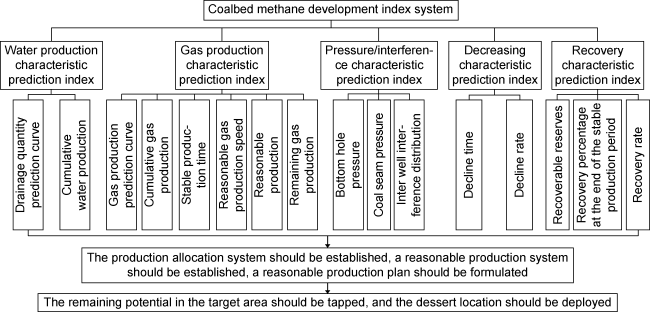
(3) Prediction technology for coalbed methane development indicators. A coalbed methane development indicator system has been constructed, including 16 indicators for water production, gas production, pressure/interference, decline, and recovery during the coalbed methane development process (Fig. 1 ). Based on the precise description of coalbed methane reservoirs and the results of productivity evaluation, a comprehensive application of prediction models, modern production analysis, and numerical simulation methods were used to predict coalbed methane development indicators at different production stages, effectively solving the problem of predicting coalbed methane development indicators.
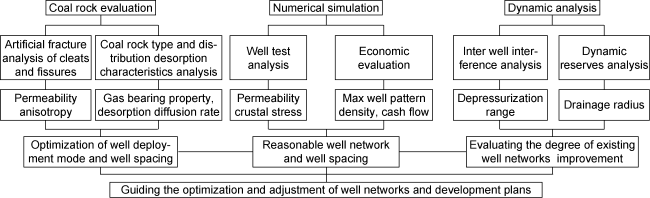
(4) Optimization technology for well spacing of coalbed methane well network. Based on the conditions of coal reservoirs and the characteristics of drainage, depressurization, desorption, and gas production, a geological model of coal reservoirs is established. Comprehensive evaluation and optimization are carried out using methods such as coal rock evaluation (considering different types of coal rock fractures and differences in coalbed methane production characteristics), dynamic analysis (evaluating the rationality of existing well spacing), numerical simulation (predicting recovery rates under different permeability and well spacing conditions), and economic evaluation (comparing benefits). Reasonable well spacing is proposed to solve the problem of quantitative evaluation of coalbed methane well spacing (Fig. 2 ).
The above technologies have been successfully applied to the development, adjustment and optimization of Baode Block, deploying and improving 43 well networks and 192 rolling expansion wells, achieving continuous development. They have also been applied to predict the development indicators of coalbed methane in Baode Block, which guided the production system, and made Baode Gas Field a benchmark for efficient development of coalbed methane and full life cycle increase in production and efficiency. After 7 years of reaching production, the overall block still maintains a stable annual production of 5 × 10⁸ m3.
1.3.1.2. Optimal and fast drilling technology for coalbed methane
Detailed research on the geological adaptability of coalbed methane drilling well types, drilling and completion processes have been conducted, by focusing on conducting research on optimal and fast drilling of deep (layer) coalbed methane and optimizing the design of horizontal well drilling [13]. The drilling and completion technology in coal-bearing strata had been improved and the problems of rapid drilling and low-cost development of deep (layer) coalbed methane have also been solved. By optimizing the structural design of coalbed methane horizontal wells, three openings have been reduced to two openings, solving the problem of gradually increasing the depth of coalbed methane development and increasing speed and efficiency. Establishing a small wellbore drilling technology for coal bearing gas horizontal wells has solved the problem of wellbore collapse in the upper formation, reduced costs by more than 35% compared to conventional wells, and increased average mechanical drilling speed by 24.6%. This technology has been successfully applied in the Daning Jixian area, reducing the average well construction cycle by 32%.
1.3.1.3. Fracturing modification
The exploration and practice of “volume acid fracturing” technology, “ultimate volume fracturing” technology, as well as the low-cost, small section, and multi cluster transformation technology for horizontal wells have opened the prelude to significant breakthroughs in deep (layer) coalbed methane exploration and development.
(1) “Volume acid fracturing” technology. Thorough researches on the geological conditions of coal reservoirs revealed that although the physical properties of deep coal reservoirs were poor, the coal structure was good, with high mechanical strength, and good acid solution dissolution effect, which is favorable for acid fracturing transformation. Following the integrated research approach of geology engineering, based on the construction of stress field, seepage field, and temperature field, combined with the "chemical field" of acidification, the optimization and transformation process was carried out, and the acidification fracturing fluid system and supporting technology are developed. A “shear + corrosion + support” combined fracture network volume acid fracturing process was built, which mainly consists of remote dissolution discrete fracture network, central shear fracture network, and near wellbore strong support fracture network [1,14] (Fig. 3 ). This process effectively solved the bottleneck problem of deep (layer) coal reservoirs that are difficult to form volume fracture networks and difficult to form large-scale effective desorption, difficult to achieve large-scale effective development.
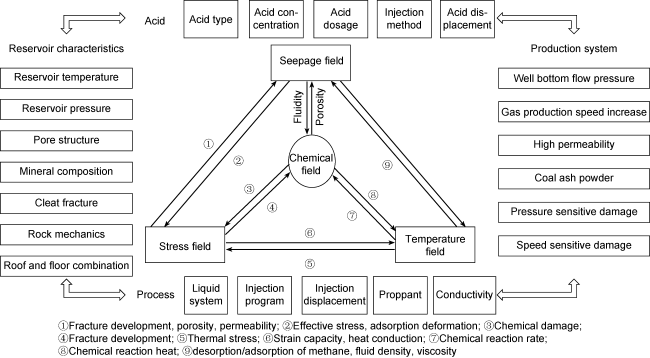
Fig. 3. Volume acidized fracturing process technology system diagram. |
(2) “Extreme volume fracturing” technology. As the understanding of geological engineering deepens and the main controlling factors affecting the reconstruction effect being clarified, it’s necessary to make changes in the fracturing concept and technology to realize the development of deep (layer) coalbed methane (CBM) with scale benefit. More important, the "extreme volume fracturing" technology of "super large, super dense, and fully supporting the volume fracture network" must be developed [15]. This technology achieves large-scale sand addition by controlling fluid to increase sand content, which then significantly increases displacement, and optimizes fracturing fluid viscosity. It also creates ultra-dense volume seam mesh through high-frequency and high differential pressure changes. By optimizing the combination of proppant particle size and large-scale sand addition to achieve sufficient support, the single stage sand volume was over 500 m3, and the displacement increased from 8-12 m3/min to 16-22 m3/min, overturning the conventional method of coalbed methane reservoir renovation.
(3) Low cost, fewer sections, and multi clusters transformation technology for horizontal wells. This technology involves steps such as determining the geological parameters of the reservoir, optimizing the reservoir modification volume model (SRV), fitting the historical production data of horizontal wells, and evaluating the optimal segmentation and clustering plan for horizontal wells under the maximum degree of fracturing modification.
Optimization of segment length: Calculate the 5-year cumulative gas production under different segment conditions. When the horizontal segment length is 1000 meters, the correlation between cumulative production and crack length is the highest, with the highest cumulative production between 9 and 10 segments. When the number of segments is too high, the cumulative production remains unchanged (Fig. 4 ).
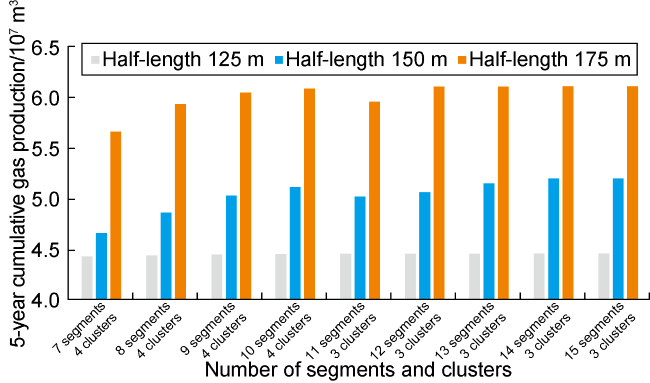
Fig. 4. Comparison of 5-year cumulative gas production under different segmented conditions. |
Cluster optimization: Under fixed segment length conditions, increasing the number of clusters has more advantages such as controlled crack height, and increased effective crack propagation range. Increasing the fracture conductivity of the same sand scale is more favorable for improving the desorption degree of deep (layer) ultra-low permeability coal reservoirs.
Compared with the conventional segmented and clustered fracturing process, the fewer segments and multi cluster fracturing process has increased the length of the fracturing section by 53.4%, increased the number of perforation clusters by 108.7%, and reduced the renovation cost per 100 meters by 38.8%, achieving cost reduction and efficiency increase in deep (layer) coalbed methane horizontal well fracturing. On-site tests in the Daning-Jixian block were conducted by implementing the technology in 10 vertical wells and 2 horizontal wells. The average daily production of vertical wells exceeded 2000 m3, and the daily production of horizontal wells exceeded 10 000 m3, providing important technical reserves for the large-scale development of deep (layer) coalbed methane.
1.3.1.4. Key technologies for coalbed methane recovery
The set of process technology of dual control, stepwise recovery, local depressurization, multi-objective quantitative drainage design, drainage lifting has been created based on studying the main control factors that affect the production efficiency of coalbed methane wells by starting from the mechanism of coalbed methane drainage.
(1) Dual control, stepwise recovery, local depressurization technology. Based on the characteristics of coal reservoirs and the liquid supply capacity of the formation, a drainage and extraction system suitable for the reservoir conditions has been established. By controlling the water and gas production, pressure and coal powder management are achieved to protect the reservoir, expand the pressure relief area, and improve single well production.
(2) Multi-objective quantitative drainage design technology. Focusing on multiple objectives such as achieving the fastest propagation of coal seam pressure drop, the smallest decrease in permeability, the largest desorption area, and the highest cumulative production of a single well, a mathematical model for quantitative recovery of coalbed methane has been established on the basis of experiments. Taking into consideration the effects of coal rock matrix shrinkage, stress sensitivity, pressure propagation, and crack stress sensitivity, this model includes the design of an optimal wellbore flow pressure reduction path based on multi-objective requirements, which solves the problem of quantitative design of coalbed methane recovery system. In the production performance fitting and prediction of 50 old wells in blocks such as Baode and Hancheng, this technology achieved a coincidence rate of over 90%, contributing to the transformation from qualitative production control to quantitative production control.
(3) Recovery lifting and supporting process technology. Taking into consideration of different well types and geological conditions, as well as characteristics of different equipment, a comprehensive evaluation system for the selection of recovery equipment has been established. A software for the selection of coalbed methane recovery equipment and conducting equipment selection and pump design has also been compiled. Two sets of rodless lifting equipment, hydraulic multi machine linkage plunger pump and multiphase mixed pump, have been developed for rodless lifting technology, achieving multi machine linkage, with advantages such as remote independent parameter adjustment and small footprint. The on-site tests of three wells in Baode Block have achieved good results, with the pump inspection cycle of wells 1-4 extending by 11.6 months, and the daily gas production increased from 781 m3 to 3070 m3.
In response to the challenges of well repair such as corrosion and eccentric wear in coalbed methane wells, 8 anti-corrosion and anti-wear process technologies have been selected for effective combination, forming 5 sets of comprehensive anti-corrosion and anti-wear treatment plans. The average pump inspection cycle in blocks including Hancheng, Linfen, and Baode on the eastern edge of Ordos Basin has been extended from 534 d to 761 d, an increase of 42.42%; The number of workover operations decreased from 1198 to 905, a decrease of 24.46%; The cost of workover operations decreased by 40.55%.
(4) Full lifecycle integrated gas production technology. In response to the characteristics of “ultra-low permeability, high desorption pressure, and ultra-high mineralization degree” of deep (layer) coalbed methane, based on on-site production practice, the vertical well adopts the rod pump “four prevention process”, hydraulic jet pump anti-scaling process, and pressurized gas lift process. The horizontal well adopts a full life cycle integrated gas production process (Fig. 5 ) [16]. One trip of the pipe string achieves “self-spraying production + speed pipe string + pressurized gas lift + plunger gas lift” drainage gas production. In the initial stage, it utilizes its own energy production, in the mid-term, it adopts plunger gas lift process, and in the later stage, pressurized gas lift is combined with plunger plug to achieve zero operation conversion in each stage, effectively ensuring continuous and stable production of the gas well, reducing the cost of drainage and production equipment and operation maintenance.
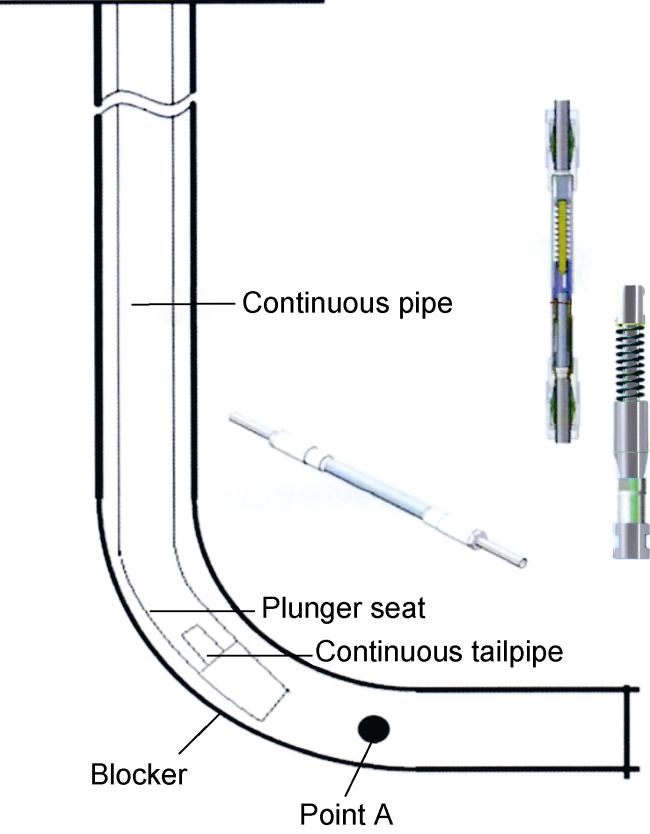
Fig. 5. Full life cycle wellbore process design diagram. |
1.3.2. Qinshui basin
1.3.2.1. Stress release gas production technology for large diameter horizontal wells
During the 13th Five Year Plan period, in response to the problem of ineffective development in the ultra-low permeability blocks in the southern part of the Qinshui Basin, a large diameter horizontal well stress relief gas production technology was developed. Around the vertical well, a large diameter horizontal well is deployed along the direction of the maximum principal stress, and a hydraulic jetting hole forming process is used to simulate stress release in coal mine tunnels, improve coal seam permeability, and increase single well production [1]. The experiment was conducted in the No. 3 coal seam of the Zhengzhuang block in the southern part of the Qinshui Basin. The high-density hole construction was carried out 60 times in the Zhengshi 34 Ping Well 5, and the fracturing was carried out 3 times (intermittently). The hole length was 207.9 m, and the hole radius was 0.40-0.49 m. The final effect is still under further observation.
1.3.2.2. Nitrogen injection displacement technology under controllable temperature for production increase
The production of many coalbed methane development wells in the southern part of the Qinshui Basin that have been producing for more than ten years is showing a downward trend. It is getting more difficult to achieve stable production through fracturing and pumping technology. Consequently, inspired by the idea of oil well water injection displacement for oil recovery, the technology of nitrogen injection displacement with controllable temperature for production increase has been formed. By utilizing the displacement effect of nitrogen on coal bed methane, this technology injects high-temperature nitrogen into coal seams to promote methane desorption and migration, so as to achieve long-term and stable production of coalbed methane wells, and improve oil recovery [1]. Field experiments were conducted in the Fanzhuang block in the southern part of the Qinshui Basin using the method of “two injections, ten recoveries, synergized displacement”. The recovery rate increased by 5.4% and good results were achieved.
1.3.2.3. Low-cost development technology for thin coal seam and multi-layer combined mining
For development of thin coal seams in the south of Qinshui Basin (single layer thickness is 0.2-1.0 m), by adopting the multi-layer combined mining development model, the low-cost development technology of thin coal seam multi-layer combined mining was formed [17]. When the thin coal seam is less developed and is relatively close to the main coal seams of No. 3 and No. 15, the thick and thin coal seams are combined and pressurized or the ball splitting technology is used for fracturing modification. When the span of multiple thin coal seams is small or the physical properties of the reservoir are not significantly different, primary fracturing technology is used for fracturing transformation. When the span of multiple thin coal seams is large or there are significant differences in reservoir properties, two-stage fracturing method is used for fracturing transformation. This technology has achieved good application results in Panzhuang block in the southern part of the Qinshui Basin: the average production of a single well in the combined pressure test of thin coal seam and No. 3 and No. 15 coal seams exceeds 5000 m3/d, and the average production of a single well in the combined pressure test of No. 9 coal seam and other ultra-thin coal seams exceeds 4500 m3/d.
1.3.2.4. Ground development technology of coalbed methane in goaf of coal mines
In order to solve the problems of non-gas production or low gas extraction rate caused by surface drilling due to water accumulation in the goaf and pressurized water inflow in the overlying strata during the surface development of coalbed methane in the Jincheng coal mine goaf in the Qinshui Basin, the principles of goaf well layout and extraction technology are proposed [18].
Principles for well layout in goaf areas of coal mines: (1) Wells should be arranged outside the waterlogged area of the goaf. (2) The goaf formed by room pillar mining should avoid the protective coal pillar layout and ultimately be drilled into the goaf space. (3) The optimal drilling area for the goaf formed by the long arm caving method of coal mining is the side near the final mining line between the boundary line of the "0" ring and the boundary of the mining area.
Draining and recovery technology: (1) The integrated drainage and gas extraction system in the goaf of coal mines has solved the problem of reduced coalbed methane production caused by pressurized water inrush from the overlying strata of the goaf, and the extraction amount of coalbed methane in the goaf has increased by 33.3%. (2) Hydraulic punching has solved the problem of permeability reduction in the fractured zone of the goaf caused by drilling rock debris, and the maximum daily increase rate of extraction volume in the goaf is 11.30%
Compared with the 12th Five Year Plan period, the significant breakthroughs in coalbed methane exploration and development technology during the 13th Five Year Plan period have featured “three major expansions”: (1) Expanding from 2D seismic to 3D seismic. (2) Expanding from vertical wells (cluster wells) to horizontal wells. (3) Expanding of exploration and development from shallow to deep layers (less than 1500 m).
1.4. Exploration and development results of deep (layer) coalbed methane
Before 2015, the development of coalbed methane in China was mainly concentrated in areas with coal seam burial depths less than 1500 m. Since 2015, with the support of major national science and technology projects, CNPC has conducted deep-layered coalbed methane research experiments in the Daning-Jixian and other blocks on the eastern edge of Ordos Basin, and CNOOC has conducted deep-layered coalbed methane exploration and development in the Linxing-Shenfu and other blocks on the eastern edge of Ordos Basin, officially marking the beginning of exploration and development of coalbed methane in China at depth deeper than 1500 m.
The deep coal seams of the Carboniferous-Permian in the eastern margin of the Ordos Basin enjoy favorable reservoir forming conditions including primary structural coal, high thermal evolution, high gas content, high gas saturation, abundant free gas, and weak hydrodynamic conditions. At the same time, there are also unfavorable reservoir forming conditions such as low matrix permeability and poor pore connectivity. Based on a thorough study of typical structural, sedimentary, hydrogeological and other reservoir forming conditions, in combination with development dynamic data, four types of reservoir-forming models were established for deep-layer coalbed methane in the eastern margin of Ordos Basin including micro-amplitude fold, monocline and hydrodynamic coupling, fault and hydrodynamic coupling, and nose-shaped structure [19]. Deep coalbed methane reservoirs are characterized by “coexistence of bound free gas and adsorbed gas” [20]. Under the conditions of a deep temperature of 65 ℃ and a formation pressure of 22 MPa, the methane density is 127.28 kg/m3, and free gas exists in the form of high-pressure compressed gas in microcracks and micropores, accounting for up to 50% of the total gas content. This understanding greatly subverts the traditional theory of coalbed methane occurrence, which states that coalbed methane mainly exists on the surface of coal matrix pores in an adsorbed state.
From the year of 2020 to 2021, PetroChina Coalbed Methane Company has accumulated proven geological reserves of 1121.62 × 108 m3 in the Daning-Jixian block, becoming the first fully installed large coalbed gas field in China with a burial depth exceeding 2000 m, geological reserves exceeding 1000 × 108 m3, and with high abundance. The first large-scale extreme volume fracturing experiment was conducted in the horizontal well of Jishen 6-7 Ping01. The average single stage liquid volume is nearly 3000 m3, the sand volume is nearly 350 m3, and the single stage displacement is 18 m3/min. In December 2021, the light casing was put into production and achieved high production, with a maximum daily gas production of 10.1 × 10⁴ m3. It has been continuously produced for over 260 d, with a cumulative gas production of over 1400 × 104 m3 and an average daily gas production of 5.82 × 10⁴ m3. The successful trial production of this well marks a significant breakthrough in the exploration and development of deep (layer) coalbed methane in China, with a burial depth greater than 2000 m. It has become a model for deep-layer coalbed methane horizontal wells and a landmark achievement in the development of deep-layer coalbed methane.
According to preliminary predictions, the coalbed methane resources at depths of over 2000 meters in China amount to approximately 40 × 1012 m3 [21], with huge resource potential. With significant breakthroughs in the exploration and development of deep (layer) coalbed methane, the original understanding that the development effect of coalbed methane at depth of 1500 m is not ideal is no longer the main factor restricting single well production and industrial development. This judgment makes the total resource of coalbed methane in China expected to double from the existing 30.05 × 10¹² m3 , providing new momentum for the rapid development of the coalbed methane industry.
2. Problems in the development of coalbed methane industry
Due to factors such as complex resource endowments and weak theoretical foundations, there is still a significant gap between the development of coalbed methane industry and the national energy planning and economic and social expectations in China. The main problem is manifested as “three lows, one small, and one unimplemented”.
2.1. Low level of exploration
As of the end of 2021, the proven rate of coalbed methane resources in China is only 2.29%, and the exploration level is far lower than that of conventional natural gas. The proportion of high-quality resources available for large-scale development is small, and there is a serious shortage of backup and replacement areas. In terms of development regions, coalbed methane is mainly located in 9 large coal-accumulating basins. Except for the Qinshui and Ordos basins, which have achieved large-scale development, the other 7 basins have broad prospects. In terms of development, the proportions of high, medium, and low rank coal seam methane resources are 31%, 37%, and 32% respectively. The proportion of low rank coal seam methane resources is the highest, but large-scale development has not yet been achieved. In terms of development depth, the coalbed methane resources of 1500-2000 m are approximately 9.47 × 10⁸ m3, accounting for 31.51% of the total resources. Currently, effective development has not been achieved. With a depth of 2000 m, the amount of coalbed methane resources is even more significant, which is also the main and key factor in successfully implementing future coalbed methane industry strategies.
2.2. Low technical adaptability
2.2.1. Complex geological conditions
The coalbed methane resources in China are characterized by diverse coal forming conditions, multiple coal forming periods, superposition of coal metamorphism, and diverse tectonic changes. The complexity is mainly shown as complex reservoir forming conditions, diverse gas reservoirs types, strongly vertical and horizontal heterogeneous coal bearing strata and different coal seams (even the same coal seam).
2.2.2. Mature technology cannot be copied
There are nearly 100 specific technologies in the seven major technical series of coalbed methane, including geological selection evaluation technologies, geophysics, drilling and completion, fracturing, drainage, surface gathering and transportation, and economic evaluation technologies. Due to the significant differences in geological conditions in each block, these mature technologies cannot be copied or directly applied.
2.2.3. Insufficient precision in research on middle-shallow (layer) resource conditions
The basic theoretical research on coalbed methane geology needs to be further deepened, and there is insufficient research on the differences in geological conditions of coalbed methane in different eras and regions. Affected by understanding of the previous theoretical research and practical exploration results, exploration and development are mainly concentrated in the distribution areas of medium to high rank coal areas, while investment in low rank coal areas is severely insufficient. Significant deviation between the recoverable resources and the actual recoverable resources exist during the exploration stage, and the calculation method for recoverable reserves is not mature, resulting in a significant deviation from the actual exploitability. Due to certain uncertainties in the development and utilization of technology, the utilization rate of proven reserves is relatively low.
2.2.4. Deep (layer) coalbed methane exploration and development is in its early stages and the technology is not mature
The occurrence status of deep (layer) coalbed methane is unclear, the reservoir formation theory is also unclear, and the method for selecting favorable areas is not yet systematic. The sedimentary, diagenetic, and reservoir characteristics of deep coal reservoirs are not well understood, and the in-situ occurrence state is complex, with unclear occurrence characteristics.
The evaluation method for deep (layer) coalbed methane resources is incomplete. The current evaluation method for coalbed methane resources mainly focuses on adsorbed gas not free gas. The evaluation method for favorable areas of coalbed methane mainly focuses on the geological conditions of shallow (layer) coalbed methane, which is not applicable to deep (layer) coalbed methane.
Guided by the theory of “artificial oil and gas reservoirs” [22], the optimization design of deep (layered) coalbed methane “artificial gas reservoirs” based on seepage mechanism needs to be addressed urgently. The evaluation method for deep (layer) coalbed methane EUR (ultimate recoverable reserves of a single well) considering “free + adsorption” has not yet been established. Research is urgently needed to optimize the deployment direction and segment cluster design of horizontal wells suitable for deep (layer) coalbed methane, as well as the optimization design of well spacing based on the concept of “ultimate utilization”.
The geological model for engineering risk and key technologies for safe and rapid drilling and efficient completion of deep coal and rock have not been established yet. The deep (layer) coalbed methane horizontal well in the eastern edge of Ordos Basin adopted a double opening wellbore structure. The upper leakage layer coexists with the lower shale and deep coal seam in the same openhole section, and the pressure difference is large, which can easily cause drilling complexity. It is urgent to carry out research on drilling engineering risk prediction models based on seismic, logging, and logging to guide the optimization of wellbore structure and trajectory, avoid or prevent risk layers, improve drilling speed, and reduce drilling cycle.
The design index based on geological engineering integration lacks of basis, and the precise and systematic process technology system has not been established. The fracturing design based on limited geological data cannot accurately predict the shape and size of the fracture network, resulting in unclear compatibility between the fracturing scale and horizontal well spacing and section length, which affects the effective utilization and beneficial development of deep (deep) coalbed methane resources.
The characteristics of permeability and flow patterns of the mesh holes need to be clarified, and the lifting and maintenance techniques of the wellbore are not suitable. In the initial stage of deep (layer) coalbed methane production, free gas is mainly produced through self-injection, and in the medium and later stages of production, it is necessary to lift manually. The mineralization degree of water in deep (layer) coalbed formation is extremely high. To this end, it is necessary to do a good job in technical breakthroughs such as scale prevention, corrosion prevention, sand prevention, coal powder prevention, and rapid repair of wellbore faults in production wells, forming a series of specialized wellbore maintenance and repair technologies suitable for deep (layer) coalbed methane wells, and achieving efficient and continuous long-term production.
The foam management and control technology are immature, and the conventional gathering and transportation process consumes much energy. In the production process of foam drainage aid technology, the physical and chemical properties of foam fluid change with the working conditions. At present, there is no corresponding empirical formula or algorithm model, and the chemical defoaming and physical defoaming methods adopted are not effective.
2.3. Low return on investment
Statistical analysis shows that the investment in coalbed methane exploration in China has reached its peak in 2012, amounting to 6.36 × 10⁴ RMB/km2, and has since shown a downward trend. As of now, the total investment in exploration and development has reached over 1000 × 108 RMB. The construction scale of Qinshui and the eastern edge of Ordos Basin is 142×108 m3/a, with a production capacity completion rate of 58%. It is difficult to use low-grade reserves. The overall yield of a single well is relatively low, failing to meet the designed development requirements. The number of wells with a daily production capacity of less than 500 m3 accounts for about 50% of the total production wells, failing to achieve efficient development and with low investment return rate.
2.4. Small development scale
Coalbed methane development is technology intensive, characterized by high investment, high risk, low single well production, and long investment payback period. Compared with other fossil fuels, it lacks of competitiveness, and investors generally lack confidence and enthusiasm. During the 13th Five Year Plan period, with the continuous reduction of exploration and development investment and workload, industrial development is faced with enormous challenges. Although the initial development momentum of the 14th Five Year Plan has improved, the speed of industrial development is far behind considering of the rich resource potential, and the overall scale of the industry has not improved its proportion in the structure of the fossil energy industry.
As of the end of 2021, the cumulative gas production of China's coalbed methane surface development was 566.9 × 10⁸ m3. In 2021, the national coalbed methane surface development production was 82.9 × 10⁸ m3, with only four state-owned enterprises, namely CNPC, CNOOC, Xinhua Gas (formerly known as Jinmei Group), and Sinopec, being the main producers. In 2021, the production of coalbed methane in China only accounted for 4% of the total natural gas production, and the role of industrial scale in driving investment and adjusting energy structure is insufficient.
2.5. Management is not implemented
As an unconventional resource with high development difficulty and technical requirements, coalbed methane has a high demand for management. At present, coalbed methane practitioners are not strong enough, with a small number of professional and technical personnels and scattered experts, which is not enough to meet with the strategic needs of industrial development. Investors understandings of the comprehensive development benefits and multidimensional attributes of safety, environmental protection, and clean energy of coalbed methane do not match the “original intention” of development, and the evaluation and assessment are not precise enough. Although multiple favorable and preferential policies have been introduced, unfortunately they were not well implemented [12,23]. The various technical standards and on-site practical applications are insufficiently matched, and scientific and technological achievements are not well transformed or without obvious benefits.
3. Development strategy of coalbed methane under the background of carbon peaking and carbon neutrality
3.1. Energy structure under the goal of carbon peaking and carbon neutrality
Currently, low-carbon development has become a global consensus, and the energy structure is transiting from high-carbon to low-carbon or even carbon free. Ever since the proposal of the goal of carbon peaking and carbon neutrality (“dual carbon”), China has been accelerating the clean and efficient utilization of fossil fuels, vigorously developing renewable energy, and promoting green, low-carbon, and harmonious development of the energy industry. The energy system will gradually change from traditional fossil energy such as coal, oil and natural gas to a new pattern dominated by renewable energy such as solar energy, wind energy, hydro energy, geothermal energy and complementary energy.
The CO2 emissions of China were 98.94 × 10⁸ t in 2020, accounting for 30.93% of the global total. The total consumption of primary energy is 49.8 × 10⁸ t standard coal, accounting for 26.13% of the total consumption of primary energy in the world. Non fossil fuels account for 15.66% [24]. Promoting the achievement of the goal of “dual carbon” provides important opportunities and effective paths for the development and technological innovation of the coalbed methane industry.
Before the carbon peak in 2030, fossil fuels will remain to be the main energy source. Among the five major energy sources of coal, oil, natural gas, renewable energy and nuclear power, coal is still the ballast and stabilizer of the energy security of China [25]. After 2030, the demand for primary energy will enter into the peak plateau period. Carbon peaking is not energy peaking, and carbon neutrality is not zero carbon. In the future, fossil fuels will still play an important role, and the clean and efficient utilization of fossil fuels and the large-scale utilization of renewable energy are the necessary paths to achieve the goal of “dual carbon”. Renewable energy is characterized with low energy density, uneven spatiotemporal distribution, instability, and high cost. It is still difficult to replace fossil energy and become the main energy source in a short period of time. After 2030, industrial upgrading, energy efficiency improvement, and cycle saving will push primary energy demand into a peak plateau period, reaching 42.2 × 10⁸ t of standard oil or 60.3 × 10⁸ t of standard coal. Before carbon neutrality in 2060, the development of non-fossil energy will enter into the period of improving quality and quantity, promoting the optimization and adjustment of the stock structure and gradually taking the lead in the energy structure. It is expected that by 2060, the proportion of coal will decrease to 7.1%. Oil and natural gas will decrease to 19.7%, while non-fossil fuels will reach 73.2% (Fig. 6 ).
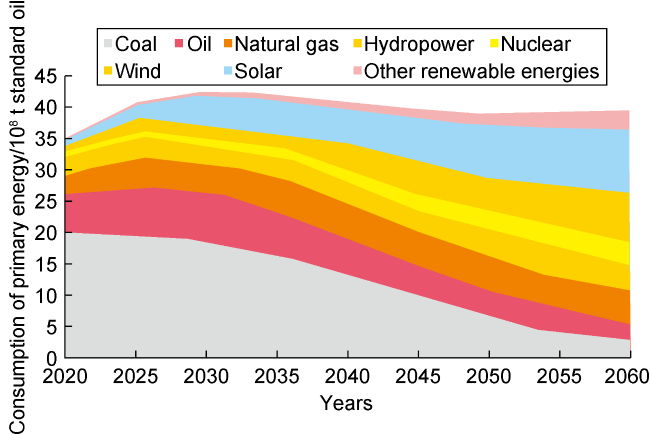
Fig. 6. Trend of the primary energy consumption structure of China [25]. |
3.2. The development of natural gas (coalbed methane) meets the goal of “dual carbon”
In 2021, the apparent natural gas consumption was 3 726 × 108 m3 in China, with primary energy accounting for 9.5% [24]. Domestic production resources accounted for 54%, while imported resources accounted for 46%. From 2000 to 2021, the average annual growth rate was 164 × 108 m3, with an average annual growth rate of 13%. According to the general development laws of domestic and foreign energy, it will still maintain rapid growth, and the future demand potential can reach 7000 × 108 m3.
Natural gas plays an important role in reducing pollution and carbon emissions in the atmospheric environment. Its clean and low-carbon, flexible and easy to store, and efficient characteristics can reduce SO2, CO2, and NOX (nitrogen oxides) by 100%, 40%, and 50%, respectively, compared to coal. Natural gas power generation is characterized with low-carbon, efficient, stable, fast start stop, and strong load changing ability. The CO2 emissions from natural gas power generation are nearly 50% lower than coal, making it the only fossil energy source to maintain demand growth under the goal of “dual carbon” (Fig. 7 ). There is a significant gap between the total production and demand of natural gas in the future, which is fully favorable for accelerating the development.
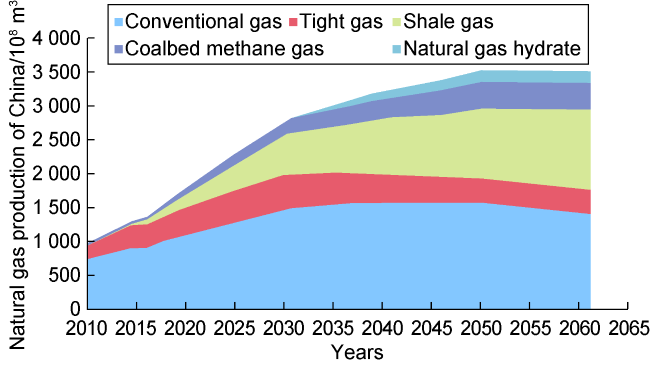


Fig. 7. The natural gas production structure of China [25]. |
3.3. Development strategy of coalbed methane industry
Under the background of "dual carbon", China's coalbed methane industry has entered a new stage and is currently in the most favorable period in its development history [4,6]. Through in-depth analysis of the current technological situation and existing problems in the development of the coalbed methane industry of China, combined with the opportunities and resources and technological foundation of industrial development under the background of the goal of “dual carbon”, it is proposed that China's coalbed methane industry should follow the short-term and long-term “two-step” development strategy. The first step before 2030 can be divided into two stages in the near future: the first stage is to achieve new breakthroughs in theory and technology by 2025, and achieve the national goal of production of 100 × 108 m3 in the “14th Five Year Plan” so as to strengthen confidence in industrial development; From the second stage to 2030, suitable technologies will be developed for most geological conditions, further expanding the industrial scale, and achieving an annual production of 300 × 108 m3, occupying an important position in the total natural gas production. The second step is to gradually achieve an industrial strategic large-scale production of 1000 × 108 m3 the long term after 2030. This strategic goal is proposed based on countermeasures from both technical and management aspects.
4. Development strategy for coalbed methane
4.1. Refined and effective development of coalbed methane in the medium and shallow layers
4.1.1. Refined development of coalbed methane in old gas fields
The medium and shallow coalbed methane in China has always been faced with the problems of low single well production and poor comprehensive development benefits. How to increase single well production, block production, and EUR (estimated ultimate reserve) is a question to be answered urgently. With technological progress, it is necessary to carry out refined development in order to maximize oil recovery and maximize development benefits throughout the entire lifecycle. According to the current status of gas field development, the following three methods can be adopted for refined development:
The first method is comprehensive governance. On the basis of basically not changing the development scale of the gas field and based on the existing development well network, in order to solve the problems that affect the development of the gas field, various process measures such as reservoir transformation, injection of new layers, and wellbore surface are implemented to achieve the goal of improving the development effect of the gas field. This situation is a regular implementation approach and will not be emphasized here.
The second method is secondary development. In order to increase available reserves, so as to significantly improve reserve control and utilization, enhance oil recovery, delay gas field decline, and achieve sustained and stable production in old gas fields, new development concepts, methods, and technologies need to be adopted. The core of secondary development method is to subdivide small layers, deeply excavate and analyze the remaining potential, evaluate the rationality of the development layer series vertically, evaluate the completeness of the well network on the plane, optimize the division and combination of layer series, reconstruct the well network, improve the completeness of the well network, improve the degree of reserve control, utilization, and desorption, and ultimately achieve the goal of improving oil recovery rate, quality, and efficiency.
The third method is the integration of geology and engineering. This method includes establishing the seismic geological engineering integrated limit volume fracturing technology for comprehensive evaluation of reservoir resource grade, reservoir process quality, etc., to achieve the following six goals: (1) Openable, low minimum principal stress of the formation, and high displacement that can produce high net pressure, effectively open the main fracture, and fully use the top and bottom plates, internal dirt bands and other fragile rock formations to induce fracture expansion. (2) To be able to spread far, optimize the particle size and scale of the proppant, increase the construction displacement under the premise of controlling the height of the crack, and ensure that the effective migration of the proppant to the far end of the fractures. (3) Fractures can be supported to ensure fracture conductivity. (4) Drainage can be achieved by increasing the sand ratio and reducing the injection amount of fracturing fluid. (5) Low pollution, add composite pattern such as simulating formation water and ensuring polymer material degradation to reduce cost and formation pollution. (6) Low cost with comprehensive cost control from management mode, raw material usage, geological process matching, and other aspects.
4.1.2. Effective development of coalbed methane in new gas fields
From the perspective of development regions, there are a total of 10 large coalbed methane bearing basins (groups) in China with geological resources exceeding 1.0 × 10¹² m3, including Ordos, Qinshui, East Yunnan and West Guizhou (eastern Yunnan and western Guizhou), Junggar, Tianshan, South Sichuan and North Guizhou (southern Sichuan and northern Guizhou), Tarim, Hailar, Erlian, Tuha, etc., with a total resource of 25.55 × 10¹² m3, accounting for 85.02% of the national total. At present, the main industrial bases that have been invested in large- scale construction and effective development are located in the Qinshui Basin and the Ordos Basin. There has been no significant progress in the large-scale development of coalbed methane in the other 8 basins (groups), but there are many exploration highlights, with a resource base for achieving large-scale and effective development, and broad development prospects.
From the perspective of development, the geological resources of high rank coal, medium rank coal, and low rank coalbed methane in China are 9.32 × 10¹², 11.12 × 10¹², 9.62 × 10¹² m3, respectively, accounting for 31%, 37%, and 32% of the national total [7]. At present, the high-order coalbed methane represented by the southern part of the Qinshui Basin and the medium-order coalbed methane represented by the central northern part of the eastern edge of the Ordos Basin have achieved effective development on a large scale, but the low-order coalbed methane represented by the Tuha Basin, Hailar Basin, and Erlian Basin has not yet achieved effective development on a large scale, which is an important direction for the future development of coalbed methane in China [7,26].
4.2. Scale development of deep (layer) coalbed methane
Through comprehensive geological research and research on engineering technology in Daning-Jixian block and other deep (layer) coalbed methane blocks in the eastern edge of Ordos Basin, the inherent understanding that the development effect of coalbed methane at depths of 1500 m is not ideal has been overturned, and effective ways have been explored for the efficient utilization of deep (layer) coalbed methane resources, greatly enhancing the confidence in the scale and efficient development of deep (layer) coalbed methane [2,3,27]. However, the beneficial development of deep (layer) coalbed methane is also faced enormous challenges, and there is an urgent need to carry out technical breakthroughs in response to a series of difficulties in efficient development.
The first challenge is the reservoir formation theory and the optimization of favorable areas: in order to solve the problems of the unclear occurrence status, unclear reservoir formation theory, and unsystematic methods of deep (layer) coalbed methane, further research should be focused on the following main directions: (1) Physical property prediction, including coal rock characterization and quantitative characteristics of reservoir physical properties. (2) Gas content testing, including occurrence characteristics and gas content testing methods. (3) Research on the rules of enrichment and accumulation, including the main controlling factors and accumulation effects of enrichment and accumulation. (4) Selection of favorable areas, including resource evaluation and prediction of favorable areas.
The second challenge is the evaluation and technical optimization of development sweet spots: to solve the problems of the establishment of precise geological models and evaluation standards for development sweet spots, and the lack of basis for some development indicators, the main research directions include: (1) Fine description of gas reservoirs and three-dimensional geological modeling, including microstructure and geological environment characterization, water content, chemical characteristics of produced water, three-dimensional fine geological modeling, and construction of favorable reservoir models [28]. (2) Developing sweet spot evaluation and optimization, including high yield main control factors and control mechanisms, sweet spot evaluation index system, sweet spot optimization, and potential prediction. (3) Development law and technical policy optimization, flow law and seepage model, pressure drop expansion and reserve evaluation, well spacing optimization, production capacity evaluation and prediction.
The third challenge is the optimization design of geological engineering integration of “artificial gas reservoir”: deep (layer) CBM is similar to shale gas as "artificial gas reservoir". As a bridge between geology and engineering, basic research on deep coal seam rock mechanics, fluid mechanics, engineering mechanics and other key problems can lay the foundation for the maximum use of resources and “selecting sweet spots, determining wells, drilling wells, and killing wells”.
The fourth challenge is the optimization and fast drilling and completion technology for horizontal wells: In response to the problem of lacking the engineering risk geological model and the lack of key technologies for safe and fast drilling and efficient completion in deep (layer) coal seam gas, the main research directions should include: (1) Prediction of underground risks and drilling possibility, including characterization of formation physical and mechanical properties, well bore risk characterization and evaluation. (2) Multi constraint geological guidance, including multi constraint trajectory optimization design and wellbore trajectory control decision-making system. (3) Efficient anti-leakage and anti-collapse drilling fluid, including wellbore stability control technology, anti-collapse treatment agent, and anti-leakage and anti-collapse fast degassing drilling fluid system. (4) Low-cost and fast-drilling technology, including economical wellbore pressure monitoring and control system, and fast drilling technology system. (5) High efficient sealing and cementing technology, including the main control factors of horizontal well cementing quality, efficient sealing cementing working fluid, and cementing process technology.
The fifth challenge is the key technology of large-scale (super large-scale) fracturing (reservoir reconstruction) of horizontal wells: in order to solve the problem of the lack of basis for integrated design indicators of geological engineering, the establishment of accurate and systematic process technology system and other problems, the main research directions include: (1) Fracture pattern formation and expansion mechanism, including mechanism research, physical simulation test, and process adaptability research. (2) Seam mesh simulation software, including geological parameter modeling, numerical simulation software, production and economic evaluation. (3) The technology system for large-scale fracture network fracturing, including optimization of wellbore materials, optimization of construction parameters, and post fracturing evaluation. (4) Stress release stimulation technology, including mechanism research, physical simulation experiments, dynamic evolution characteristics, and composite stimulation technology.
The sixth challenge is the key technology for drainage and mining: the characteristics of pore permeability and flow patterns of the fracture network need to be clarified, and the lifting and maintenance techniques of the wellbore are not suitable. Main research directions include: (1) Flow mechanism and dynamic simulation, including characteristics of permeability changes after compression, whole process flow mechanism, dynamic simulation of drainage and mining, and drainage and mining control methods. (2) Integrated drainage (lifting) technology, including efficient drainage (lifting) technology, continuous improvement technology, sand accumulation pattern and treatment technology.
The seventh challenge is the key technology of gathering and transportation: in view of the immature foam control technology and the large energy consumption of conventional gathering and transportation process, the main research directions are: (1) Foam fluid mechanics theory and simulation, including foam flow model, wellbore and pipeline static simulation, and defoaming process. (2) Well site pressure exchange technology, including pressure change characteristics and impact patterns, and pressure exchange gathering and transportation technology. (3) Big data analysis and transplantation, including cross platform integration and transplantation of static results, digital twins, and machine learning.
4.3. The three-dimensional development of “comingled recovery of three types of gas” in coal bearing strata
The coal bearing strata in China are characterized by a wide distribution range and large thickness, and coal bearing gas resources account for over 60% of the total natural gas geological resources in China [29]. Taking Daning-Jixian block on the eastern edge of Ordos Basin as an example, multiple sets of gas bearing formations are developed above and below the No. 8 and No. 5 coal seams, which are characterized by multi-layer overlapping development of coalbed methane, tight sandstone gas, and shale gas. The predicted resource volume is more than 2 × 10¹² m3. Taking the coal seam, tight sandstone, and shale intervals as an overall goal, carrying out multi gas three-dimensional comprehensive exploration and development can further improve the resource utilization rate and maximize the comprehensive benefits.
During the period from the 11th Five Year Plan to the 13th Five Year Plan, although preliminary progress has been made in the development of coalbed methane and tight sandstone gas, the main technologies for comprehensive development and scale efficiency development of coalbed methane have not yet been formed, which restricts the comprehensive and efficient utilization of coalbed methane resources. It is necessary to continue to increase efforts in research and form key technologies for three-dimensional development of “comingled recovery of three types of gas” to drive the comprehensive development of coalbed methane in China through technological breakthroughs [30].
Main research directions: (1) Conduct research on layer series optimization and productivity prediction methods, further implement interlayer interference mechanisms and control factors, clarify the law of productivity decline, and improve geological layer selection standards. (2) Intensify the research and development of multi-objective layer optimization and fast drilling and completion technology, optimize the drilling fluid system and drilling speed increasing process, and establish personalized drilling design technology based on wellbore integrity. (3) Deepen the research on efficient volume fracturing technology for multi lithology, implement the evaluation of multi lithology mechanical parameters and crack propagation mechanism, and improve the effective support volume fracturing technology [31]. (4) Optimize integrated drainage and gas production technology, continue to conduct wellbore pressure flow pattern and production performance analysis, and improve the technology of one machine for multi well pressurized gas lift and concentric tube multi-channel gas lift drainage and gas production technology.
4.4. Improve oil recovery rate and in-situ conversion technology of coal seams (rocks)
Improving oil recovery rate and in-situ conversion technology of coal seams (rocks) are important for future development of coalbed methane or coal bearing gas. Seven main technological development directions need to be focused on:
The first is Microbial Development Technology (MECBM): Injecting culture medium solutions or excellent strains (hydrolysis bacteria, fermentation bacteria, methane producing bacteria) after domestication and enrichment into underground coal seams or other rock layers, and converting a portion of organic matter from coal into methane dominated gas (secondary biogenic coalbed methane) through anaerobic fermentation. At the same time, utilizing the acid generated during microbial metabolism to dissolve rocks, thus enlarging rock pores and increasing permeability. Microbial development technology has economic and environmental benefits. Main research directions include research on the mechanism of microbial production increase, and research on microbial underground production process [32].
The second is carbon dioxide displacement of coalbed methane (CO2-ECBM) technology: carbon dioxide capture, utilization and burial are the supporting technologies to achieve carbon neutrality [33]. Carbon dioxide displacement of coalbed methane (CO2-ECBM) technology has dual benefits of improving coalbed methane recovery rate and reducing carbon emissions, and has broad application prospects. By utilizing the characteristic that CO2 has a higher adsorption capacity than CH4 in coal seams (approximately 2-10 times), a certain amount of CO2 is injected into the coal seam, and competitive adsorption is used to replace CH4 in the coal seam. The injection of CO2 reduces the partial pressure of CH4, further promoting the desorption of CH4, and improving the single well production and recovery efficiency of coalbed methane wells. On the one hand, this technology can enhance CO2 storage, and on the other hand, it can improve the production of coalbed methane wells. Main research directions include Mechanism of improving oil recovery by CO2 displacement of coal and rock CH4, influence of different environments on oil recovery by CO2 displacement of coal and rock CH4, and research on underground gas injection technology.
The third is the technology of reservoir microwave heating stimulation: Microwave heating has the advantages of large heating volume, fast heating speed, and strong penetration. By using this technology, the reservoir temperature can be quickly increased, promoting methane desorption and migration, evaporating water in pores and fractures to alleviate water lock and Jamin effect, generating high temperature, expanding the pore and fracture network in the reservoir, increasing permeability, and increasing coalbed methane production [34]. Main research directions include dual desorption diffusion and permeability model of coalbed methane under microwave radiation, quantitative relationship between coal seam temperature and gas desorption under microwave radiation, research on the depth and range of microwave penetration into coal seams, and development of physical simulation experimental equipment.
The fourth is ultrasonic stimulation technology. Ultrasonic stimulation technology is a new type of physical stimulation method developed in recent decades. It mainly utilizes ultrasonic waves with vibration frequencies greater than 20 KHz to dredge gas production channels, promote the formation of cracks, increase the temperature of coal reservoirs, and promote the desorption of adsorbed gas on the surface of coal matrix, which is pollution-free and less constrained by reservoir conditions and the low cost advantage of simple equipment [35]. Main research directions include modeling the desorption diffusion and permeability of coalbed methane under the action of ultrasound, the variation law of coalbed methane desorption under the action of different power ultrasound, the research on the influence range of ultrasonic mechanical vibration effect, thermal effect, and cavitation effect on coal seams, and the development of physical simulation experimental equipment.
The fifth is the high-temperature thermal injection technology for increasing production of coalbed methane. This technology includes injecting high-temperature steam into the coal seam, utilizing high temperature to promote methane desorption, accelerate diffusion and migration, and expand the fracture system and increase the permeability of the coal reservoir by expanding and fracturing the coal rock volume during heating [36]. Main research directions include research and development of physical simulation experimental devices for coalbed methane thermal recovery, research on adsorption and desorption laws of coal at high temperatures of 300 °C, theoretical research on coalbed methane reservoir thermal recovery, numerical simulation models for coalbed methane thermal recovery, influence of high-temperature steam on coal and rock properties and permeability, and thermal injection construction technology.
The sixth is high-energy laser rock breaking technology: Laser has the characteristics of high efficiency and good controllability. When high-energy laser is transmitted to the surface of coal and rock, complex physical and chemical changes are generated by thermal action, which helps to develop fractures and improve permeability. It has good application prospects in processes such as perforation, improving rock breaking efficiency, and hole completion [37]. Main research directions include research and development of laser physics simulation experimental equipment, underground transmission technology, interaction law between laser and coal rock, and underground hole making technology.
The seventh is the underground coal gasification technology (UCG): a method that creates appropriate process conditions in the underground to enable controlled combustion of coal, and generates hydrogen, carbon monoxide, methane and other combustible gases through coal pyrolysis and a series of chemical reactions between coal and oxygen, water vapor [38]. This technology has achieved underground sealed development of coal, with the gaseous product being crude gas rich in methane, carbon monoxide, and hydrogen, without solid waste discharge. It has the characteristics of short process, high safety, and environmental friendliness. Main research directions: high-temperature cementing, crude gas heat exchange and purification, spray cooling, operation monitoring, production capacity evaluation, complex operating conditions, etc.
4.5. Management strategies
The focus should be on the five major elements, including resources, technology, talent, policies, and investment, and on strengthening the supporting management in accordance with the principle of “technological innovation as the core, five in one, and synergized innovation”. (1) Resources are the foundation, and basic geological research should be strengthened to consolidate and expand effective resources at different levels; Systematically carry out a new round of thorough evaluation of coalbed methane resources, and further seek new “sweet spots areas”; Special attention should be paid to understanding and evaluating the “coal bearing gas” in other rock formations of the coal bearing strata. (2) Technology is the key, and it is necessary to innovate and integrate scientific supporting technologies by closely following the "value chain of improving development efficiency throughout the entire lifecycle"; Search for "sweet spot technology" that is suitable for geological "sweet spot areas", repeatedly experiment and demonstrate until "activating" old areas and developing new areas, for efficient development. (3) Talents are fundamental, and internal and external forces in the industry should be motivated to optimize talent team by breaking organizational boundaries, utilizing national major science and technology plans, developing superior talent incentive mechanisms, so as to fully leverage the main force and leading role of large enterprises. By building scientific and technological innovation alliances, to attract more high-quality talents from different professional backgrounds to form research teams, and effectively solve the problems of innovation, change, and job matching. (4) Policy is the guidance, and the comprehensive evaluation of the value of coalbed methane development should be based on the mission of “killing three birds with one stone” in coal mine safety, ecological environment, and clean energy, and increasing financial subsidies. Governments at all levels should strengthen the coordination of coalbed methane business, simplify the approval process, shorten the production cycle of enterprise construction projects, enhance the profitability and competitiveness of enterprises, strengthen the formulation and implementation of development policies, and create a favorable development environment for enterprises. (5) Investment is a guarantee, and both the government and enterprises should adhere to strategic determination, strengthen their confidence in the scale development of coalbed methane, and avoid inconsistent investment in the coalbed methane industry; continuously establish a national special project for coalbed methane, strengthen technical research and industrial upgrading and transformation, to ensure healthy development of the industry; Actively promoting foreign cooperation projects to increase investment and accelerate the process of exploration and development.
5. Conclusions
After nearly 40 years of development, China has made significant progress in both theory and technology of coalbed methane exploration and development. The four key core technology systems of geology, drilling, fracturing, and drainage have continuously made breakthroughs. The coalbed methane industry has begun to take shape, and the energy supplement, coal mine safety, and ecological environment protection benefits of coalbed methane development have been developing synchronously.
Due to factors such as complex resource endowments and weak theoretical foundations, there is still a significant gap between the development of China's coalbed methane industry and the national energy planning goals. The main problems are manifested as “three low, one small, and one unimplemented”, namely low exploration level, low technological adaptability, low investment return rate, small development scale, and inadequate management.
Recently, significant breakthroughs have been made in the exploration and development of deep (layer) coalbed methane. Depth is no longer the core factor that restricts the production and economic development of single coalbed methane wells. The total resources of coalbed methane in China are expected to double from the current annual output of 30.05 × 10¹² m3, providing new momentum for the rapid development of the coalbed methane industry.
Driven by the goal of “dual carbon” (carbon peak and carbon neutrality), the coalbed methane industry in China has entered into a new stage and is currently in the most favorable period of development history. Consequently, the coalbed methane industry in China should follow a short-term and long-term “two-step” development strategy. The first step before 2030 can be divided into two stages in the near future: the first stage is to achieve new breakthroughs in theory and technology by 2025, realize the national “14th Five Year Plan” goal of 100 × 108 m3 in annual coalbed methane production, and strengthen confidence in industrial development. From the second stage to 2030, suitable technologies will be developed for most geological conditions, further expanding the industrial scale, and achieving an annual production of 300 × 108 m3, to take an important position in the total natural gas production. The second step is to gradually achieve an annual output of 1000 × 108 m3 in the long term after 2030 by adopting a large-scale industrial strategy.
The development of coalbed methane industry in China should adhere to the strategy of “technology + management dual wheel drive”, to benefit from synchronous driving of technology and management, and promote high-quality development of the coalbed methane industry. Technically, it will focus on four major fields, namely, “fine and effective development of coalbed methane in the medium and shallow sections (layer)”, “scale benefit development of coalbed methane in the deep sections (layer)”, “three-dimensional development of comingled recovery of three types of gases in coal measures and strata”, “enhanced oil recovery and in-situ conversion of coal seams (rocks)”, and carries out research in accordance with the full life cycle and geology-engineering integration model. In terms of management, we will deeply focus on the five major elements of “resources, technology, talent, policies, and investment”, and carry out comprehensive and integrated management by adhering to the concept of “technological innovation as the core, five in one, and synergized innovation”.
Acknowledgements
During the research and writing process of this article, Wang Fenglin, Wang Chengwang, Li Yuxin, and others have provided a large amount of basic information for this article. We sincerely thank them.