

Introduction
Sedimentology is a discipline that systematically studies the physical and chemical properties of sedimentary rocks and their diagenetic processes (including sediment transport and deposition processes, and diagenetic mechanism), through outcrop/core observations, experiments, physical/numerical simulations, or other methods[1-2]. It was separated from stratigraphy about 170 years ago in the late 19th century. The development of sedimentology is closely related to the industrial exploi-tation of mineral resources such as oil and natural gas. Especially in recent years, for shales, a large number of basic studies have been conducted in respect of marine and non-marine fine-grained sediment dynamic mechanism, petrologic characteristics and classification, sequence stratigraphy, sedimentary model, formation mechanism of organic-rich shale, and mixed sedimentary characteristics. The research findings and insights obtained are significant for guiding the unconventional oil and gas exploration and development and the play evaluation. The systematic study of fine-grained sedimentary systems has become a frontier hotspot in sedimentology. Meanwhile, some new branch disciplines such as fine- grained sedimentary petrology, shale sedimentology and unconventional oil and gas sedimentology have been derived [3⇓⇓⇓⇓-8], and many review papers or monographs on fine-grained sedimentology have been published [3⇓⇓⇓⇓⇓⇓⇓⇓-12].
China is one of the most successful countries in commercial development of non-marine shale oil, with valuable breakthroughs made in the Junggar, Ordos, Songliao, Bohai Bay, Qaidam and other basins. Non-marine shale oil has become an important strategic alternative to conventional resources in China [13]. However, the non- marine shale oil in China is different from the marine shale oil in North America in terms of sedimentary environment, geological characteristics, exploitation methods and evaluation criteria, and the likes. Special research on non-marine shale oil is urgently needed to serve the resource exploration and development in China [14].
Unlike marine shales, non-marine shales have the sedimentary structures and components that are more sensitive to small-scale changes in climate, lake level and provenance, because the total volume of water and sediments in lake is small, lake level changes are directly related to source supply, and the lake shoreline migrates frequently with fluctuating water level [15]. Non-marine shales are characterized by small grain size, varying sedimentary facies, complex lithologies, and low fossil quantity and diversity. Therefore, their isochronous interfaces are difficult to identify using conventional geophysical data and biomarkers, thus limiting the application of traditional sequence stratigraphy in the isochronous correlation of non-marine shales and the study of paleo-lake evolution [16-17].
According to recent advances in fine-grained sedimentology and shale sedimentology, the sedimentary environment of shale is diverse, and deep-lacustrine shales are not all products of “homogeneous” and suspended sediments under euxinic conditions [18]. Under the control of sedimentary geological conditions, three types of shale oil, i.e. interbedded shale oil, sandwiched shale oil, and pure shale oil, are developed in the Gulong block of the Daqing Oilfield, China [19]. Particularly, the pure shale oil is the crude oil occurring in thick shale strata, with shale accounting for more than 95%, and also felsic and dolomitic (ostracode) laminae mostly thinner than 0.01 m. This type is the core of Gulong shale oil [19]. The laminae of different fabric types and their associations in the Gulong shales reflect the changes of climate, lake level and provenance vertically [20], and are typical choices for restoring paleo-climate, lacustrine basin filling sequence and organic matter enrichment cycle [21-22].
In this paper, the Gulong shales in the Daqing Oilfield are investigated through core observations and experiments. The cores were sampled from Wells GY-2HC, GY-3HC and GY-8HC, and acquired with element data continuously at a point interval of 10 cm, using the Niton XL2t 950 handheld X-ray fluorescence spectrometer (XRF) element analyzer. More than 2000 experimental runs were performed on the rock samples for mineral composition, lamination structure and sedimentary environment. On this basis, the Cretaceous Qingshankou Formation in the Gulong Sag is discussed in terms of its sedimentary paleo-environment, paleo-lake evolution, patterns of vertical lithofacies associations, genesis of lamination structure, and factors controlling its sedimentation. Furthermore, the sedimentary controls on oil-bearing property, storage space and mechanical properties of shale are discussed to provide an important support for exploration and development deployment. However, compared with marine basins, lacustrine basins are characterized by small area, varying sedimentary environments, and unclear distribution of lithology and lithofacies, challenging the prediction of shale oil plays. It is necessary to strengthen the basic research of non-marine shale sedimentology and to establish geological models through iterations. Considering the difficult issues in the exploration and development of non-marine shale oil, this paper attempts to clarify the orientation of such basic research.
1. Sedimentary characteristics of the Gulong shales
There are multiple sets of lacustrine shale strata in non-marine sedimentary basins within China, and shale oil is mainly endowed in many organic-rich shales from the Permian to the Paleogene in continental petroliferous basins. The Gulong shales are deep-water fine-grained laminar rocks in non-marine strata of the Songliao Basin, which are rich in organic matter and have a certain maturity and diagenetic evolution level. They are primarily found in the Upper Cretaceous Qingshankou Formation in the Qijia-Gulong Sag [23].
1.1. Geological setting and sedimentary environment
The Songliao Basin covers an area of about 26×104 km2[24], with the central depression long serving as the subsidence center and depocenter and also the main destination of black shale and shale oil. In the early stage of the Late Cretaceous Qingshankou Formation, the basin lied in a warm and humid environment, where the maximum water depth was not more than 40 m, and the water medium was fresh-brackish water with a salinity of 0.5‰-5.0‰. From shore-shallow lacustrine to semi-deep and deep lacustrine area, the paleo-salinity showed an evident increase. It is inferred that salinity stratification occurred in the lake at this stage, and it provided a good reduction condition for the preservation of organic matter.
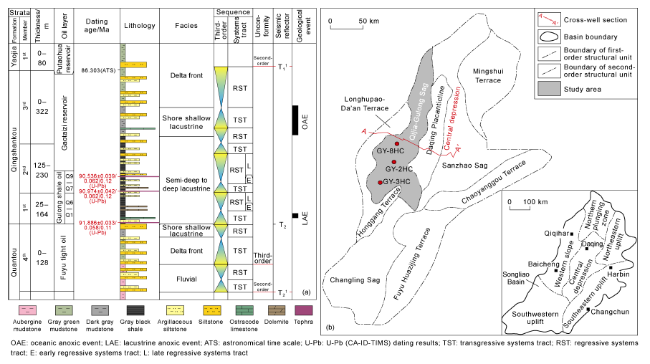
During the sedimentary period of the Qingshankou Formation, diluvial fan, alluvial plain, delta, shore shallow lacustrine and semi-deep to deep lacustrine subfacies survived successively from the margin to the center of the basin. The semi-ring delta system around the lacustrine zones of the Qijia-Gulong Sag and Sanzhao Sag controlled the distribution of sedimentary facies and lithofacies in the northern part of the basin. During the sedimentary period of the first member of Qingshankou Formation (Qing 1 Member), the lake area was about 6.8×10⁴ km2 (Fig. 1 ), of which the deep lake area was about 4×10⁴ km2[21]. The lithology is mainly gray black mudstone, silty mudstone and oil shale. The second and third members of Qingshankou Formation (Qing 2 Member and Qing 3 Member) are composed of gray or gray black mudstone, calcareous siltstone and ostracode beds, occasionally with biological limestone. The Gulong shales are mainly developed in the Qing 1 Member and the lower Qing 2 Member. Currently, the interval from the Qing 1 Member to the lower part of Qing 2 Member in the Daqing Oilfield is upwardly divided into 9 oil layers (Q1-Q9) (Fig. 1 ), with a cumulative thickness of 100-150 m and an overall oil occurrence [19,25].
1.2. Restoration of paleo-lake level
The astronomical cycle analysis of precession and eccentricity was performed by using gamma ray (GR) log. Two values, ρ1 (Lag-1 autocorrelation coefficient) and DYNOT (dynamic noise after orbital tuning), were obtained based on the GR log of Well GY-3HC. The DYNOT model was used to reconstruct and fit the paleo- water depth and restore the fluctuation of the paleo-lake level. This model provides a semi-quantitative restoration of the disturbance intensity of non-orbital signals suffered by the formation (observation point) during its deposition by using the paleo-climate index parameter “water depth-related noise” after the astronomical orbit tuning. It is generally believed that the deeper the sedimentary water, the smaller the water depth-related noise [27]. Based on cyclic stratigraphy analysis, sedimentary rhythms of 35-50 m, 9-13 m, 3-4 m and 1.5-2.5 m were identified in the study area. These rhythms correspond to the Milankovitch cycle with the long eccentricity of 0.397-0.412 a, the short eccentricity of 0.090-0.105 a, the slope of 0.030-0.041 a, and the precession of 0.015-0.025 a. By tuning the GR sequence at 0.405 a long eccentricity to the astronomically theoretical cycle curve, and anchoring the age of the bottom of the Qing 1 Member at 91.886 Ma, the absolute astronomical time scale (ATS) was established. Accordingly, for Q1-Q9, the deposition duration was determined to be about 130×104 a, and the deposition rate be (7-11)×10-3 cm/a [22,26]. The DYNOT model was used to reconstruct the paleo-water depth changes. To be specific, the higher GR value corresponds to the lower water depth-related noise value, representing the greater water depth; the lower GR value corresponds to the higher water depth-related noise value, representing the smaller water depth. Thus, the pattern of third- order lake level change is obtained.
Based on the pattern abovementioned, the parameter (mAl+mFe)/(mCa+mMg) was selected to represent the change of paleo-water depth. A larger value of (mAl+mFe)/(mCa+ mMg) reflects a deeper water column, while a smaller value of (mAl+mFe)/(mCa+mMg) indicates a shallower water column [28]. The integral prediction error filter analysis (INPEFA) of logs was completed to determine the pattern of lake level change at the lesser order. Firstly, the maximum entropy spectrum analysis (MESA) was conducted to obtain the autocorrelation function. Next, the prediction error filter analysis (PEFA) was performed to obtain the difference between the predicted and true MESA values at the corresponding depth points. Finally, the PEFA curve was processed, and the Cyclolog software was used to plot the GRINPEFA curve, which directly reflects the change of the paleo-lake level (Fig. 2 ). According to the curve reconstructed using the DYNOT model, the paleo-water depth of the Qingshankou Formation in the Gulong Sag has undergone two vertical rise-fall processes. During the sedimentary period of the Qing 1 and Qing 2 Members, the water depth experienced a complete cycle of “semi-deep water - deep water - semi-deep water”. The INPEFA-derived curve reaffirms the secondary paleo-water depth variation in the “semi-deep water-deep water-semi-deep water” cycle.
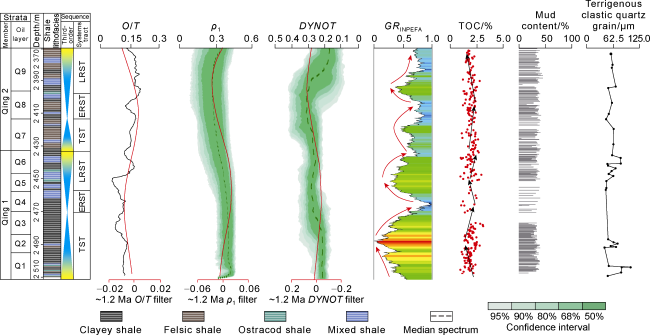
Fig. 2. Water relative depth change during the deposition of Qing 1 Member and Qing 2 Member in Well GY-3HC, Songliao Basin. |
1.3. Lamina types and vertical lithofacies associations
A total of 155 core samples from Well GY-3HC were investigated, including 113 samples for thin section observations under polarizing microscopic, 36 samples for identification by scanning electron microscope (SEM), and 6 samples for quantitative evaluation of minerals by scanning electron microscopy (QEMSCAN). Based on the data of mineral composition, sedimentary structure and grain size of the rock samples, three types of lamina, i.e. clay mineral, felsic silt and ostracode, are identified in the Gulong shales, and they form four types of lamina combination: clay mineral, clay mineral + felsic silt, clay mineral + ostracode, and clay mineral + felsic silt + ostracode. These diverse lamina combinations result in different lithofacies types. According to the contents of felsic minerals (quartz and feldspar), clay minerals and carbonate minerals, as well as the characteristics of laminae, the Gulong shales are further divided into four lithofacies types: clayey shale, felsic shale, ostracode shale and mixed shale (Fig. 3 , Fig. 4 , and Table 1 ).
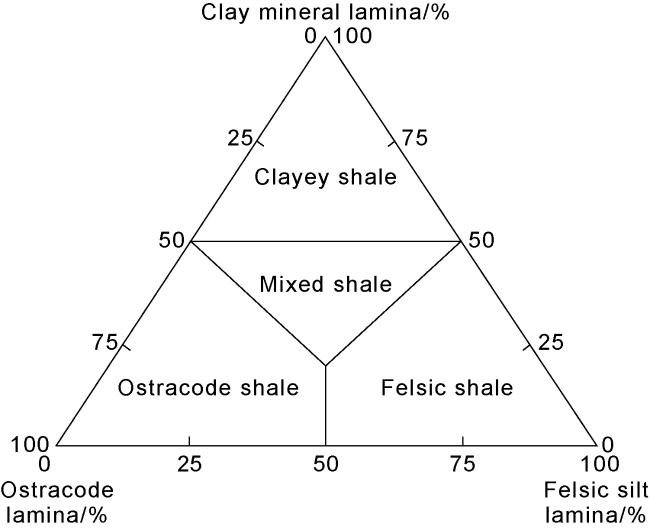
Fig. 3. Lithofacies classification of the Gulong shales. |

Fig. 4. Lithofacies types, sedimentary characteristics, reservoir property and oil-bearing property of the Gulong shales in Well GY-3HC of Songliao Basin. |
Table 1. Main mineral content and environmental index of the Gulong shales |
| Lithofacies type | Main mineral content/% | Paleo-climate index | Paleo-salinity index | Redox index | TOC/% | |||||
|---|---|---|---|---|---|---|---|---|---|---|
| Clay minerals | Quartz | Plagioclase | K-feldspar | Carbonate minerals | CIA | Sr/Cu | Sr/Ba | V/(V+Ni) | ||
| Clayey shale | 30.70-55.10 46.72 | 21.40-36.20 29.11 | 5.00-14.10 9.44 | 0.30-1.60 0.90 | 0-4.00 1.29 | 74.53 | 6.71 | 0.54 | 0.78 | 1.56-3.07 2.41 |
| Felsic shale | 23.90-54.30 39.97 | 26.10-43.30 33.05 | 7.70-32.90 15.01 | 0.20-3.70 1.28 | 0-10.60 3.11 | 72.37 | 10.03 | 0.91 | 0.78 | 0.69-1.79 1.29 |
| Mixed shale | 30.3-53.3 41.11 | 22.60-33.80 29.21 | 7.70-25.30 12.81 | 0.40-1.70 0.87 | 1.10-27.10 7.60 | 71.39 | 11.65 | 0.89 | 0.65 | 1.34-2.76 1.98 |
| Ostracode shale | 15.4-50.5 35.48 | 28.40-38.90 33.87 | 7.30-24.40 12.26 | 0.20-1.00 0.65 | 0.70-27.50 8.17 | 71.85 | 11.87 | 0.86 | 0.71 | 0.96-2.47 1.76 |
Note: The numerator is the range of values and the denominator is the average. |
Clayey shale is mainly developed at the bottom of the Qing 1 Member, with the clay mineral content greater than 50%. It is characterized by clay mineral lamina, and exhibits a weak horizontally-laminar configuration and a high pyrite abundance (greater than 20% in some samples). The organic matter are scattered in yellowish brown to black brown linear or granular manner. Clayey shale is formed by the slow subsidence of floccules generated by suspended organic matter and clay minerals. Under the action of compaction, organic matter and dark minerals are oriented along the bedding. Lamellation is mostly observed in cores. Clayey shale is assumed to be semi-deep to deep lacustrine facies sediments deposited in still-water, reduced to strongly reduced environments with relatively deep water, and humid climate. Clayey shale usually demonstrates a high TOC of 2.36%-5.87%, with an average of 2.97% (Table 1 ).
Felsic shale is mainly developed in the Qing 2 Member (Q7-Q9) and is composed of terrigenous sand, clay and a small amount of manganese-containing minerals, with fine particle content less than 60% and terrigenous sand content of 15%-40%. Felsic shale contains felsic silt laminae, which are generally normal-graded or reverse- normal graded, with erosion bottom or interlayer erosion surface. Bioturbation and water escape structures are common, indicating a high oxygen content of the bottom water, which is not conducive to the accumulation and preservation of organic matter. The TOC values are 1.07%-1.96%, with an average of 1.51%. Felsic shale is believed to be a kind of low-density turbidity deposits in semi-deep to deep lacustrine environment, which is generally a reduced to weakly reduced setting with relatively deep and turbulent water, and humid climate (Table 1 ).
Ostracode shale is distributed from the bottom of the Qing 1 Member to the Qing 2 Member, generally with a thickness of 0-0.3 m. It contains Ostracode laminae composed of bioclasts, oolites, terrigenous, sand and clay. Bioclasts are mainly Ostracode shell fragments, filled with calcite and a small amount of clay minerals. Ostracode shells often have long axises parallel to the bedding. There are often bioturbation and water escape structures. The oolites are elliptical and nearly round, with a diameter of 0.15-1.50 mm. Concentric lamination is mostly observed, with Ostracode kernel. Sparry cement is calcite, which is anhedral and granular. The terrigenous sand is generally quartz and feldspar with the grain size less than 0.25 mm, mainly angular to subangular, in scattered distribution. Ostracode shale is developed in a weakly reduced environment with relatively shallow and turbulent waters, and arid climate. It is a kind of low-density turbidity current deposits transported from shallow water area to semi-deep lacustrine area by gravity flow (Table 1 ).
Mixed shale is composed of a large amount of clay and bioclasts, as well as a small amount of terrigenous silt and fine sand, and contains microscopic ripple laminae, which indicates that it was deposited under weak hydrodynamic conditions. Some of the silts are banded and lenticular, and the bioclasts are mainly Ostracode shell walls, which are semilunar and locally enriched to become layers. The Ostracode laminae form continuous wavy laminae with organic matter and dark minerals, intermingled with a small number of terrigenous clasts and clay minerals. Mixed shale is formed in a weakly reduced environment with fluctuating water depth, climate and water column, and it is the end of low-density turbidity current deposit in a semi-deep lacustrine area (Table 1 ).
The Gulong Sag was one of the subsidence centers and depocenters of the Qingshankou Formation in the Songliao Basin. The Qing 1 Member and Qing 2 Member can be divided into two third-order lacustrine transgression-lacustrine regression sequences, and have the sedimentary microfacies controlled by the sequence and traceable for correlation within the basin [20] (Fig. 5 ). Vertically, lithofacies are evidently regular. In the Qing 1 Member and Qing 2 Member of Well GY-3HC, for example, the vertical lithofacies associations are observed to be clearly regular and coupled under the isochronous framework, according to the analysis of the corresponding relationship between lithofacies association and sequence unit.
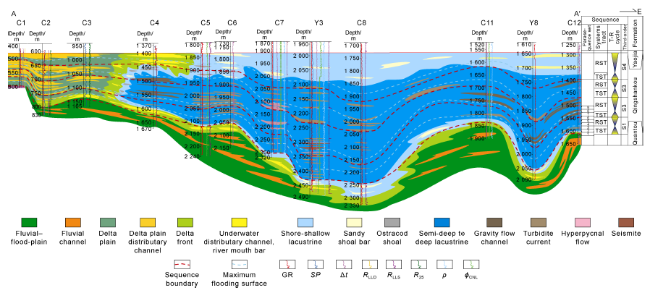
Fig. 5. E-W well-tie sections of sequence stratigraphy and sedimentary facies in the Qingshankou Formation, northern Songliao Basin (Yaojia Formation bottom flattening) (section location shown in |
In the transgressive system tract (TST) corresponding to the Qing 1 Member, the lithofacies succession of felsic shale-Ostracode shale-clayey shale, upwardly, records the gradual elevation of the lake level, and mostly holds discontinuous dolomite and siltstone interlayers. During this sedimentary period, the climate was humid, and a large amount of rainwater injected accelerated the rise of the lake level and also promoted the salinity stratification in the lake waters. As a result, the lower waters became an anoxic environment with high salinity, being conducive to the preservation of organic matter, while the upper waters were oxygen-rich and accepted a large amount of nutrients brought by the surface runoff. These nutrients promoted the prosperity of organisms in the epilimnion, thereby improving the primary productivity of the lake. Therefore, TOC values showed an increasing trend in this period. In the early regressive system tract (ERST), clayey shale was mainly deposited, and only a small amount of mixed shale existed at the top, indicating that the lake level at this stage remained relatively high. In the late regressive system tract (LRST), the mixed shale began to increase, reflecting the continuous decline of the lake level.
In the TST corresponding to the Qing 2 Member, felsic shale with a small amount of mixed shale were mainly deposited, reflecting the process of repetitive rising of lake level and the development of turbidity current deposits. In the ERST, mixed shale and clayey shale were mainly deposited. In the LRST, felsic shale and mixed shale were developed. This reflects the repetitive decline of lake level.
In summary, the development of the Gulong shale lithofacies is significantly coupled with the TST and RST they signify, indicating the rise-fall cycle of lake level.
1.4. Sedimentary evolution stages and controlling factors
The chemical index of alteration (CIA) is commonly used to represent paleo-climate conditions. The higher the CIA value, the more humid the climate and the stronger the chemical weathering; otherwise, the lower the CIA value, the more arid the climate, the weaker the chemical weathering is [31]. The Sr/Cu ratio is also adopted to judge the paleo-climate: Sr/Cu<5 indicates humid climate; SR/Cu of 5-10 indicates semi-humid climate; Sr/Cu>10 indicates dry and hot climate [32]. Some scholars defined the SR/Cu ratio for humid climate below 20 and for arid climate above 20 [33]. The Sr/Ba ratio of sediments is employed to restore the paleo-salinity: Sr/Ba<1 represents freshwater sediments; Sr/Ba of 0.6-1.0 represents semi-saline water sediments; Sr/Ba>1.0 represents brackish water sediments [34]. Moreover, V/(V+Ni) is mobilized to determine the redox environment: V/(V+Ni)<0.6 indicates an oxygen-poor and weakly reduced environment with weakly stratified water column; V/(V+Ni)>0.84 indicates a reduced environment with strongly stratified water column [35].
Based on systematic studies of sedimentology, petrography and sequence stratigraphy, we analyzed the paleo-salinity index and paleo-climate, and propose that the Q1-Q9 deposition experienced five stages (Fig. 6 ).
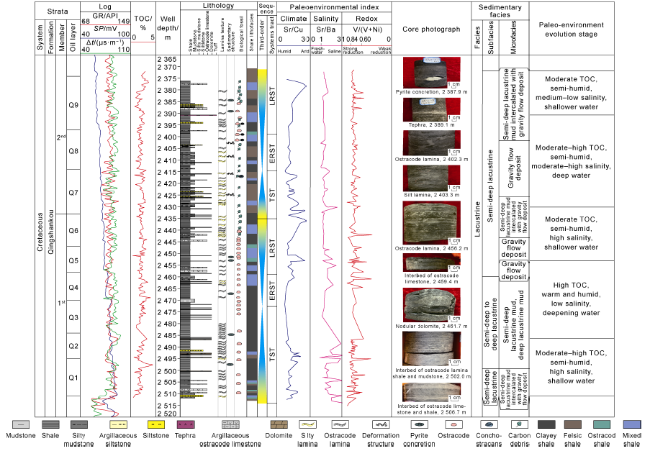
Fig. 6. Sedimentary characteristics and geochemical responses at paleo-environment evolution stages during the deposition of the Qing 1 and Qing 2 Members in Well GY-3HC, Gulong Sag, Songliao Basin. |
Stage 1: The depositional strata in the bottom of Qingshankou Formation are about 20 m thick, and contain felsic shale and Ostracode shale. The presence of Ostracode limestone interlayer reflects a shallow water lake system, corresponding to the early stage of lacustrine transgression. The high Sr/Ba (0.82-1.21) reflects the high salinity of the lake water, and the low CIA (65-70) signifies relatively arid paleo-climate. The TOC is moderate.
Stage 2: The strata are about 14 m thick, and correspond to the lacustrine flooding period. Clayey shale was mainly developed, with the dolomite interlayers mostly. In this stage, the lake was closed, rather than the open state in Stage 1, and deposition by suspension was dominant. The input of terrigenous materials and freshwater in the deep lacustrine environment decreased, the salinity of the lake water increased, and the climate was relatively humid. The low values of Sr/Ba (0.41-0.55) and CIA (73-77) reflect low salinity and relatively humid paleo-climate conditions.
Stage 3: The strata are about 4.15 m thick, and correspond to the lacustrine transgression period. Mixed shale was mainly developed. In this stage, the lake began to shrink, the lacustrine basin became smaller, and the waters became shallower. The moderate values of Sr/Ba (0.63-0.82) and CIA (65-69) reflect moderate salinity and relatively arid paleo-climate conditions.
Stage 4: The strata are about 13 m, and correspond to the second lacustrine transgression period. Felsic shale and mixed shale were mainly developed. In this stage, the lake level rose rapidly and brought abundant terrigenous materials, mostly resulting in the turbidity current deposition under strong hydrodynamic conditions. The moderate Sr/Ba (0.82-0.85) and high CIA (68-74) reflect moderate salinity and relatively humid paleo-climate conditions.
Stage 5: The strata are about 22 m thick, and correspond to the second lacustrine regression period. Felsic shale, mixed shale and clayey shale were developed. Both Sr/Ba (0.64-0.97) and CIA (65-73) are low, reflecting the decrease in lake level, more volatile water environment, and thicker and discontinuous felsic laminae.
Through systematic study of lithofacies association and geochemical analysis, it is found that the vertical lithofacies variation of shale records the change of sedimentary environment, and also the evolution process of paleo-lake. Such evolution process, which is believed to be mainly controlled by climate and provenance, shows the characteristics of high clay content, humid paleo-climate, strong weathering, and abundant supply of terrigenous materials. Upwardly, laminated to laminar clayey shale sandwiched with massive dolomite transited to laminated to laminar felsic shale, Ostracode shale sandwiched with massive siltstone, and Ostracode limestone. This succession indicates that the paleo-lake experienced a process of sedimentary evolution from humid climate to arid climate, from weak source supply to strong source supply, and from deep to shallow water.
Paleo-climate change exerts strong influences on the lake environment, mainly manifested in the aspects of paleo-lake level elevation, water redox, and paleobiocenose types. During the deposition of the Qingshankou Formation in the Gulong Sag, the climate was generally warm and humid, and the climatic fluctuations at different stages controlled the lithofacies fabric types of shale in the deep lake area [21]. In the Qing 1 Member, the lithofacies association was mainly controlled by climate change. In the initial flooding period, the climate changed from arid to humid [20]. The enormous rain injection made the paleo-lake level rise continuously, with strong source input. Laminar felsic shale and massive silty-fine sandstone interlayers were developed. In addition, the Ostracode fragments brought by the flood were oriented by the water flow to form laminar Ostracode shale. In the maximum flooding period, the sedimentary environment was characterized by deeper water column and weakened source input. Laminar clayey shale was generally deposited by suspension. Later, when the climate was arid for a short time, carbonate minerals became rapidly supersaturated from the lacustrine basin water column, forming a discontinuous distribution of massive-laminated dolomite interlayers. As the climate was humid again, the precipitation of carbonate minerals was slowed down. The abundant felsic materials brought by surface runoff formed laminated-laminar mixed shale. The Qing 1 Member experienced a complete cycle of semi-deep water to deep water to semi-deep water by water depth variation. Climate change was the main factor controlling the deposition of Qing 1 Member.
During the deposition of the Qing 2 Member, which was mainly sensitive to the delta provenance on the west, climate change exerted a less impact, while strong source supply became the primary controlling factor. The coarse clastic materials were transported to the semi-deep lake area by gravity flow, fine-grained materials to the deep lake area by suspension, and volcanic tuffaceous materials to the deep lake area by wind. In the period of rapid rise of lake level, the source supply was strong, and a large quantity of fine silt- to clay-sized particles was transported to the deep water area in the mode of gravity flow. The sediments were mainly laminar felsic shale and a small amount of mixed shale, with graded bedding. In the maximum flooding period, the source supply weakened, the depositional rate decreased, and less felsic materials were transported to the deep lake area. Laminar-laminated clayey shales were deposited. With the decrease of paleo-water depth again, the source supply increased. The lithofacies gradually transited to laminar-laminated felsic shale and mixed shale. The Qing 2 Member also experienced a complete cycle of semi-deep water to deep water to semi-deep water. Compared with the Qing 1 Member, the lacustrine basin water in the Qing 2 Member was shallower, mainly controlled by the intensity of terrigenous clast supply. The influence of climate change was not strong in this period.
2. Influences of lithofacies types and fabrics on oil enrichment of the Gulong shales
The Gulong shale oil refers to the petroleum enriched in shales, which can be economically recovered by proper reservoir stimulation [23]. Macroscopically, the lithofacies distribution of the Qingshankou Formation in the study area is affected by the sedimentary environment. The change of paleo-water depth controls the lithofacies association and its vertical spatial distribution. Microscopically, the laminae of different fabric types and their combinations result in the differences of lithofacies in oil-bearing property, reservoir quality and mechanical properties. In addition, the continental lake is characterized by limited accommodation, sensitivity to climate change, and rapid variation of lithofacies types in space. Therefore, it is difficult and challenging to understand the enrichment of the Gulong shale oil.
2.1. Influence of lithofacies fabric on oiliness
The diverse lamina combination styles of lithofacies affects the degree of organic matter enrichment and the oil-bearing property, playing a pivotal role in shale oil enrichment. The study shows that the Qingshankou Formation shale has relatively high abundance of organic matter, and the TOC values of 0.17%-4.20% (avg. 1.86%, and mostly 1.00%-3.00%). The S1 value is 0.05-3.97 mg/g, with an average of 1.87 mg/g, and the S2 value is 0.15-7.42 mg/g, with an average of 3.11 mg/g. The hydrocarbon generation potential (S1+S2) is 0.20-10.74 mg/g, with an average of 4.98 mg/g. Therefore, the Qingshankou Formation shale represents a generally good quality of source rock.
Further comparative analysis indicates that the abundance of organic matter and the content of free hydrocarbon are quite different from lithofacies to lithofacies. The clayey shale exhibits the best organic matter abundance, with an average TOC of 2.18% and an average S1 of 2.02 mg/g. The Ostracode shale and mixed shale have moderate organic matter abundance. The Ostracode shale contains an average TOC of 1.78% and an average S1 of 1.62 mg/g. The mixed shale contains an average TOC of 1.75% and an average S1 of 2.10 mg/g. The felsic shale reflects low organic matter abundance, with an average TOC of 1.62% and an average S1 of 2.16 mg/g (Fig. 7 ).
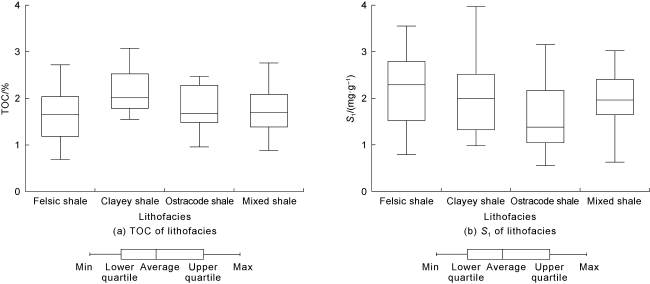
Fig. 7. Organic matter characteristics of lithofacies in the Qingshankou Formation shale in the Gulong Sag. |
Hydrogen index (HI) and maximum pyrolysis temperature (Tmax) can reveal the type of organic matter. Accordingly, the organic matters in the Qingshankou Formation shale are determined to be types I-II, for HI of 80-307 mg/g and Tmax of 294-477 °C.
The diverse lamina combinations affect the degree of organic matter enrichment and oil-bearing property, playing an important role in shale oil enrichment and “sweet spot” identification. The high-organic lithofacies with TOC>3.00% are usually clayey shale with high clay content, and the presence of well-developed clay mineral lamina as observed in thin sections microscopically and foliation structure seen macroscopically. After a period of time, the lithofacies is weathered and denudated into pieces of “layer-cake”. The clayey shale with TOC of 2.00%-3.00% is observed with intermittent distribution of stripped pyrite under the microscope, which reflects a reduced environment with relatively deep water. The moderate- to high-organic lithofacies with TOC of 1.00%-2.00% are generally felsic shale, Ostracode shale and mixed shale, indicating that the paleo-water environment during the deposition of these lithofacies is not conducive to the formation and preservation of organic matter.
The amount of hydrocarbon generation and expulsion determines the amount of shale oil charging in the source. Geochemical parameters such as S1, oil saturation index (OSI), and productivity index (PI) are often used to predict the oiliness and mobility of shale oil. According to the crossplot of TOC and S2 (Fig. 8a ), the clayey shale and felsic shale samples have high hydrocarbon generation potentials, while the Ostracode shale and mixed shale samples have moderate hydrocarbon generation potentials. The crossplot of TOC and S1 is often used to evaluate the oil saturation of different shale lithofacies. Felsic shale, clayey shale and mixed shale all have extremely high S1 values, indicating that these lithofacies have high oil saturations, in contrast to the moderate content of mobile hydrocarbons of Ostracode shale (Fig. 8b ).
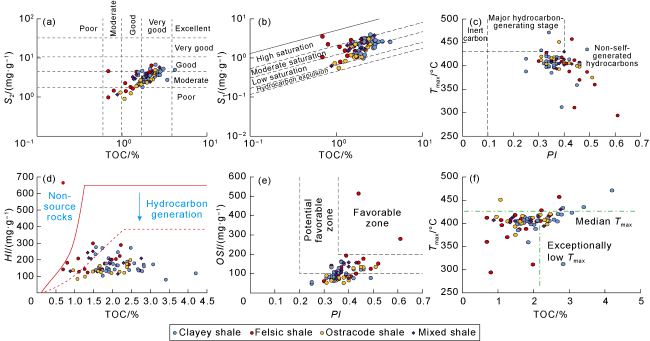
Fig. 8. Oil-bearing property analysis of different lithofacies of the Qingshankou Formation shale in the Gulong Sag. |
The crossplot of Tmax and PI (Fig. 8c ) shows that all the hydrocarbons in the samples were migrated slightly into these lithofacies after they were generated in adjacent source rocks. The trends of these lithofacies are very different from the HI and TOC trends observed in source rocks due to micro-migration of bitumen molecules generated during pyrolysis. Instead, these lithofacies usually have large HI values (Fig. 8d ). It can be seen from the crossplot of OSI and PI (Fig. 8e ) that most of the felsic shale and mixed shale samples and some clayey shale samples accumulate a large quantity of mobile shale oil. Moreover, some samples exhibit OSI values as high as 200 mg/g and PI values as high as 0.5. The Tmax changes from 294 °C to 477 °C, with an average of 405 °C, suggesting that the TOC value of the samples with lower Tmax is also lower (Fig. 8f ). The median Tmax is about 415 °C, indicating that most samples contain organic matter falling in the interval of oil window.
2.2. Relationship between reservoir properties and lithofacies fabrics
From the perspective of storage space, the clay mineral laminae of the Qingshankou Formation shale is slightly different in pore structure, which is dominated by illite intercrystalline pores and micro-fractures, with the latter evidently high in proportion and scale. The felsic laminae of the Qingshankou Formation shale exhibit underdeveloped pore structure, with the preexisting void subjected to relatively strong calcareous cementation and reworked into large space due to acid fluid erosion in the late diagenetic stage. The carbonate laminae of the Qingshankou Formation shale, though not dominant, reflect the warm and humid climate, rather than the arid and high-salinity paleo-climate environment conducive to carbonate rocks. They are mainly composed of Ostracode fragments in oriented arrangement.
Therefore, the clay mineral laminae of the Qingshankou Formation shale are of the best quality, with intercrystalline pores and micro-fractures that improve the porosity and also the connectivity of the storage space. The higher thermal maturity is conducive to the conversion of clay minerals, especially the conversion of smectite to illite. Previous studies have shown that during the conversion, water molecules between smectite layers gradually discharge, and the thickness of mineral monolayer decreases. The micro-fractures are oriented horizontally, and they can increase the connectivity of pores in the clay mineral laminae to a certain extent. The SEM results of the Qingshankou Formation shale samples reveal a presence of relatively abundant micro-fractures within the clay minerals, which can contribute positively to the voidage and connectivity of the pores within clay minerals.
2.3. Differences in mechanical properties of lithofacies
The Gulong shale is a heterogeneous, oil-bearing complex geological body. A large quantity of hydrocarbon fluids exist in the pore and fracture system of the shales, which significantly changes the rock mechanical properties of shale, making them no longer be effectively described by traditional rock mechanics theory. The Gulong shales contain a relatively high content of silica, being 35%-40%, which are mostly terrigenous clastic quartz, as well as authigenic silica formed by three diagenetic processes, namely felsic dissolution, clay mineral transformation and siliceous metasomatism. According to the statistics, the authigenic silica content of Q1-Q9 of the Qingshankou Formation in typical wells in the Gulong Sag is 0.2%-1.0%, with an average of 3.8% [36]. Two shale samples of different types were compared. Sample A is clayey felsic shale with TOC of about 3.1% and the quartz content of 35% measured by X-ray diffraction (XRD). It contains authigenic quartz with relatively small particles of mainly 1.6-10.0 μm in diameter, which are mostly dispersed within the clay minerals in a floating form [36]. Sample B is a laminar felsic shale with TOC of 1.3% and the quartz content of 32% measured by XRD. It is dominated by terrigenous clastic quartz with particles of 1-50 μm in diameter and distributing in a layered manner (Fig. 9 ). Clearly, the rock mechanical properties of the Gulong shales are jointly controlled by the content, origin, size and distribution of rigid particles. The fracturability evaluation of such shales merely by calculating the brittleness index from the content of brittle minerals may be misleading.
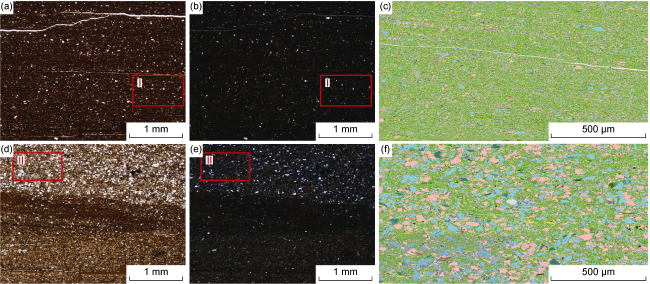
Fig. 9. Authigenic quartz and terrigenous quartz in the Gulong shales. (a) Clayey felsic shale, authigenic quartz dispersed in a floating form within clay minerals, thin section photograph of rock sample, Well GY-8HC, 2 415.1 m, plane polarized light; (b) Clayey felsic shale, thin section photograph of rock sample, Well GY-8HC, 2 415.1 m, cross polarized light; (c) QemScan image of rock sample in view I in a; (d) Laminar felsic shale, terrigenous clastic quartz in laminar distribution, thin section photograph of rock sample, Well GY-8HC, 2 405.04 m, plane polarized light; (e) Laminar felsic shale, thin section photograph of rock sample, Well GY-8HC, 2 405.04 m, cross polarized light; (f) QemScan image of rock sample in view II in d. |
By means of mineral composition and distribution characterization, digital core modeling, micromechanical testing, and finite element simulation, the deformation and crack propagation processes of the above two types of shales under stress were numerically simulated. The results show that the contribution of authigenic quartz to the fracturability of the clay felsic shale is low, and the fracture volume of clayey felsic shale is significantly smaller than that of laminar felsic shale given the same energy.
2.4. Occurrence and mobility of shale oil by lithofacies
The occurrence and mobility of shale oil are key factors for evaluating shale oil in place and effectively exploiting shale oil. Soluble organic matter occurs in shale mainly in free, adsorbed, dissolved, and swelling states [37]. Zhu et al. obtained the differential accumulation characteristics of crude oils of different polarities in the pores of clayey shale, mixed shale, felsic shales and calcareous shale of the Gulong shales by using the solvent step-by-step extraction method [13]. The original sample, sample after n-hexane extraction and sample after dichloromethane extraction were determined by nitrogen adsorption for 3 times. It was found that, for clayey shale, the total pore volume and pore size are large, and the saturated hydrocarbons are large in total volume and mainly occur in pores less than 32 nm; for mixed shale, the pore size is moderate, and the saturated hydrocarbons are moderate in total volume and mainly occur in pores smaller than 8 nm and larger than 64 nm; for felsic shale, the total pore volume and pore diameter are small, and the saturated hydrocarbons are small in volume and occur mostly in pores larger than 64 nm and little in pores smaller than 8 nm; and for calcareous shale, small-size pores are dominant and almost do not contain hydrocarbons [13].
The lamina composition of shale has a certain influence on the occurrence state of shale oil. The occurrence of hydrocarbons in the clay mineral lamina, felsic lamina and Ostracode lamina of the Gulong shales were analyzed through laser confocal experiments. The high-TOC shale dominated by clay mineral laminae is found with the highest volume proportion of hydrocarbons, with the volume ratio of light and heavy hydrocarbons being 1:1 approximately, showing a uniform distribution. The moderate- to high-TOC shale exhibits a moderate volume proportion of hydrocarbons, with the volume ratio of light and heavy hydrocarbons being 1.25:1, which exist mainly in Ostracode laminae and clay laminae, respectively. The low-TOC shale dominated by felsic laminae demonstrates the lowest volume proportion of hydrocarbons, with the volume ratio of light and heavy hydrocarbons being 1.89:1, which are mainly concentrated in felsic laminae and clay mineral laminae, respectively [13].
3. Trends of non-marine shale sedimentology
Through the discussion above, it is inferred that the paleo-environment, paleo-lake evolution, vertical lithofacies associations, and origin of lamination structure of shales can be investigated through detailed core observation and description, sequence stratigraphy and stratigraphic geochemical analysis, rock mineral composition and lamination structure analysis, and sedimentary environment analysis. This provides an important reference for the analysis of oil-bearing property, storage space and mechanical properties of shale, and enriches the research theories and methods of sedimentology and associated subjects. However, exploration and development practices have demonstrated that due to the variable sedimentary environments, lacustrine basins are characterized by diverse sources of organic matter, complex microstructure, strong spatial heterogeneity, multiple lithofacies types, high clay mineral content (greater than 35%), foliation development, and different and anistropic mechanical properties of shale types. These characteristics severely challenge the shale oil sweet spot zone/interval prediction and reservoir fracturing stimulation. A more prudent basic research of shale sedimentology is required to guide the iterative establishment of geological models, the play evaluation, and the fracturing stimulation and development planning. To be specific, a new branch of sedimentology called “non-marine shale sedimentology” should be set. Using new digital technology, the non-marine shale sedimentology is expected to evolve into a cross disciplinary knowledge system and experimental technology network to systematically analyze the physical, chemical, and biological processes involved in the transport, sedimentation, aquatic, diagenetic, and evolutionary processes of fine-grained sediments. In addition, from the static and dynamic evolution processes of minerals, organic matter, pores, fluids, and phase states, more efforts should be taken on the research and application of technologies in the fields of lithology, layer combination, and prediction of organic matter planar distribution in terrestrial shale formations, serving the practice of shale oil and gas exploration and development. Non-marine shale sedimentology should focus on the following eight aspects.
3.1. Lithofacies and organic matter distribution prediction under a sequence stratigraphic framework for non-marine shale strata
There are various non-marine sedimentary basins, including freshwater, saline and alkaline lacustrine basins, in China. Controlled by climate, source supply, volcanic activity and basin floor hydrothermal process, etc., the shale strata are characterized by diverse lithofacies types and associations, varying facies in space, greatly variable organic matter abundance, and diverse types of organic matter. However, organic-rich lithofacies are highly heterogeneous and remain unclear for their distribution, restricting the evaluation of enriched intervals/zones. Traditional sequence stratigraphy faces many challenges in solving the fine-grained sediment issues, such as large time scale, low spatial resolution, and large differences in transport dynamics and settlement mechanisms. Great attention has been paid to the influence of organic-inorganic floccules and fine-grained gravity flow sediments on the transport and enrichment of organic matter. It is urgent to, beyond the traditional thinking, combine the researches of cyclic stratigraphy and environmental hydrogeology, and use modern sedimentary analogy, flume simulation experiment and numerical simulation to investigate the non-marine shale strata, thereby to realize the accurate prediction of the plane distribution of organic-rich lithofacies.
3.2. Lithofacies and paleogeography analysis of shale strata based on the innovated forward modeling of sedimentation
Lacustrine basins generally have multiple source supply zones. Previous studies focused more on the distribution characteristics of provenance, transport and deposition zones. For example, the studies of deposition zones stressed on the sedimentary dynamics processes and facies distribution patterns of lacustrine basin delta system, gravity flow sedimentary system, and shoreline beach bar system. However, there is a poor knowledge about the distribution of shale sedimentary systems in deepwater areas. At present, no mature technology or methodology is available to accurately characterize the distribution of shale facies zones in deepwater areas. Forward modeling of sedimentation is an emerging computerized simulation technology of sedimentology [38]. It can effectively reproduce the sedimentological conceptual models for visually and quantitatively predicting the distribution characteristics and scale of sedimentary systems. According to the sedimentological concept of source-sink system, by combining numerical and physical simulations, and taking the relatively real sedimentary setting as the constraint, the forward modeling of strata relying on geometric model, diffusion model and fluid flow model will be mobilized to predict the distribution patterns of sedimentary bodies, identify the characteristics and controlling factors of lithofacies in different sedimentary evolution stages, and reconstruct the lithofacies paleogeography of shale strata.
3.3. Source of organic matter in shale and its enrichment process
Organic matter enrichment is a subject of source rock geochemistry. Previous studies have established the genetic models of organic matter, such as high productivity model and reduced water conservation model, and proposed that three factors, namely primary productivity, water stratification and appropriate sedimentation rate, are conducive to organic matter enrichment [39]. With the development of earth system science and a large number of shale coring and high-precision data collected, some scholars have indicated that climate change driven by astronomical orbit, sea-land water cycle and volcanic activity also control the enrichment of organic matter [40]. In addition, by sources, the organic matters in lacustrine basins mainly include exogenous organic matter and endogenous homonemeae organic matter. In addition to the higher plants proved by quantitative evaluation, the exogenous organic matter may be contributed by black carbons left after combustion of plants under high-temperature climate [41]. The endogenous organic matters are controlled by bio-pumping in sedimentary water and bio-geochemistry in early diagenetic stage. Therefore, it is necessary to determine the source of organic matter in lacustrine basins, clarify the redox environment of the water column through high-precision major and trace elements, iron components and iron isotopes, confirm the time, phase, intensity and influence range of transgression, and establish the models illustrating the source of organic matter, water environment changes and source rock development under transgression/lacustrine flooding. Moreover, the contributions of surface oxidation, sulfate reduction and methanogenesis to the enrichment and preservation of organic matter are further and quantitatively evaluated. Finally, the organic matter enrichment model of shale is reconstructed.
3.4. Origins of non-marine shale lamina and log-based identification of lamina combinations
Lamina refers to the smallest or thinnest original sediment layer that can be distinguished in a sediment or sedimentary rock. "Foliation" refers to the propensity of the shale to split into thin sheets or sheets along the direction of bedding. Non-marine shales are rich in lamina types, diverse in origin and complicated in controlling factors. It is the future development direction to apply numerical simulation to study the sedimentary process, diagenetic evolution and the formation and distribution of shale fractures under stratigraphic conditions [6]. At the vertically centimeter-meter scale, the laminae are distributed as combinations. Influenced by provenance, climate, sedimentary environment and biochemical processes, a variety of lamina combinations are formed, such as organic-rich lamina + felsic lamina, clay mineral lamina + felsic lamina, organic-rich lamina + tuffaceous-rich lamina, and clay mineral lamina + carbonate mineral lamina [20]. Based on thin section and SEM observations of core samples, many scholars divided shale laminae into three types: laminar, laminated, and massive. Con-ventional logging + Lithoscanner logging + imaging logging was used to realize continuous identification and division of lithology, lamina and lithofacies in a single well longitudinally [42]. These results lay a foundation for the determination of dominant lithofacies and the prediction of high-quality sweet spots. Nonetheless, a future challenge will remain on the calibration of the logging evaluation model based on the results of core micro-observation, which will be used to analyze the sedimentary dynamic conditions of lamina development and the factors sensitive to climate change and source supply, clarify the types and vertical variation of lamina combination, and realize the plane distribution prediction of shale lamina combinations.
3.5. Non-marine shale lithofacies classification by rigid particles + plastic components + pore-fracture system
Lithologies and lithofacies are commonly classified by three elements: felsic (feldspar + quartz), clay minerals, and carbonate minerals. Some scholars have proposed the organic matter content as the fourth element [3,6]. However, the current classification scheme cannot objectively reflect the hydrocarbon generation potential, reservoir properties and fracturability of shale. It is not suitable for the shale oil-related applications based on geology-engineering integration. In fact, shale samples are composed of rigid particles (quartz, feldspar, carbonate minerals, pyrite, etc.), plastic components (clay minerals, organic matter and organoclay complexes, etc.), and storage spaces (pores, fractures, organoclay composite pores and fractures). It is necessary to establish a new classification scheme based on the above three elements (Fig. 10 ) for guiding the evaluation of shale oil rich zones/intervals. According to the statistics of dual-energy computed tomography (CT-Mapscan) analysis results of 500 samples for the Gulong shales (Fig. 10 ), the Q1-Q9 samples exhibit the content of clay minerals + organic matter mainly falling in two ranges: 15%-25% and 45%-65%, and the porosity of less than 10%. In the Q7-Q9 samples with the content of clay minerals + organic matter of 45%-65%, the felsic content is relatively high, suggesting that they are relatively suitable for fracturing stimulation.
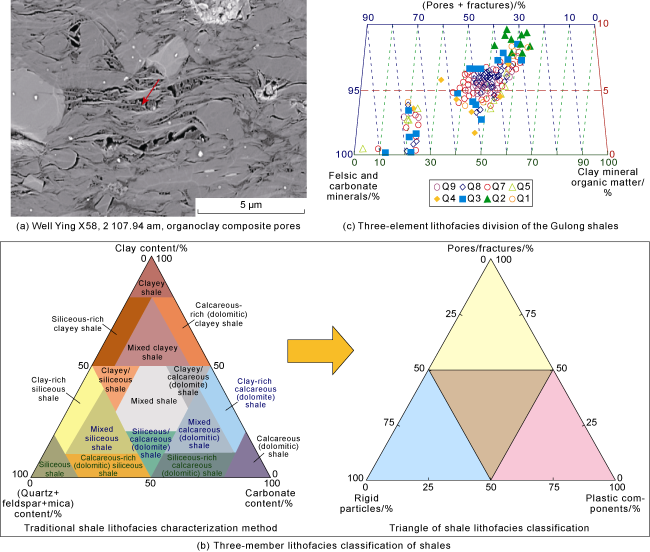


Fig. 10. Typical shale micrographs, traditional shale lithofacies characterization map and three-element lithofacies classification of Gulong shales. |
3.6. Multi-field coupling organic-inorganic interaction mechanism in shale diagenesis
Shale is rich in organic matter, and its diagenetic evolution involves complex inorganic and organic processes, including mechanical compaction, chemical dissolution, cementation, clay mineral transformation, and hydrocarbon generation [43-44]. New insights have been obtained in respect of the diagenetic evolution of minerals, the diagenetic evolution and pore development of organic matter, the driving mechanism of diagenesis and its physical response, and the influence of diagenesis on mechanical properties. The research of inorganic diagenesis focuses on mineral recrystallization process, authigenic mineral generation and cementation, and clay mineral transformation. In particular, new progress has been made in the study of quartz of early biological origin, quartz generated by late clay mineral transformation, and diagenetic sequence [44]. The distribution and genesis of organoclay complexes, foliation fractures and organoclay composite pores have become hotspots [43,45]. Organic-inorganic interaction and the rock mechanical properties of minerals themselves are important factors affecting pore development. The study of shale diagenesis has entered a new stage of multi-scale and organic-inorganic coupling. However, there is a general lack of petrological evidence of a large number of late quartz cements in shale. Ion transfer during the diagenetic evolution of shale has also become an important research direction.
3.7. New methods and artificial intelligence core technology for shale reservoir multi-scale characterization
Scholars have established methods to study pore-fracture systems by mercury injection, nitrogen adsorption, scanning electron microscopy, computed tomography (CT) and focused ion beam scanning electron microscope (FIB-SEM). Large-area scanning splicing technology can also realize multi-scale pore characterization, but it has been still difficult to identify whether organic pores are kerogen-generating pores or bituminous pores, maceral components of organic matter, crude oil in pores and their composition [13,44]. Multi-scale characterization of organic-inorganic pores in shale reservoirs still requires new techniques [45]. The photoelectric correlation microscopic analysis technology integrating laser scanning confocal microscopy (LSCM), scanning electron microscopy (SEM) and microscopic Fourier transform infrared spectroscopy (Micro-FTIR) is a direction of experimental technology development, which can quantitatively and nondestructive evaluate organic matter and storage space in shale [44]. Another important research direction is to make comprehensive analysis of multi-scale core images and core experimental data and develop intelligent core technology. Intelligent core technology takes multi-scale core images and core experimental data as analysis objects, uses deep learning, computer vision and other technologies to realize intelligent analysis and characterization of mineral components, structural components, pore structure, rock structure and other aspects of oil and gas reservoir, and comprehensively analyzes core images and multi-modal data of core experiments. The use of artificial intelligence technology to achieve comprehensive, intelligent and quantitative reservoir micro-characterization based on core. At the same time, through the combination of microscopic equipment and artificial intelligence software, deep learning, computer vision and other technologies are used to achieve intelligent analysis of multi-scale core images, and multi-modal data such as physical property, grain size and expert experience are integrated to achieve comprehensive and detailed quantitative characterization of reservoir mineral composition, rock structure and pore structure based on core images.
3.8. Quantitative evaluation and intelligent analysis system of shale reservoir heterogeneity
The difference of oil and gas enrichment caused by the heterogeneity of shale oil and gas reservoir is a key problem that troubles the evaluation and selection of favorable zones, well location deployment and development plan formulation in exploration and production. The traditional reservoir heterogeneity evaluation mainly relies on outcrop, core, well logging, physical properties and other data, mainly to carry out the analysis of interlayer, intralayer, plane and pore structure. Based on the new understanding of the mechanism of reservoir porosity and fracture development, it is necessary to establish the transformation from traditional reservoir heterogeneity evaluation to intelligent reservoir heterogeneity evaluation, establish an evaluation method system, and predict the favorable reservoir distribution. The application includes outcrop, core, logging, experimental analysis and other data ranging from nanometer to kilometer scale. By analyzing reservoir heterogeneity, physical heterogeneity, diagenetic heterogeneity and oil-bearing heterogeneity, a series of key maps such as reservoir distribution map, physical property distribution map and oil-bearing saturation distribution map are formed to clarify reservoir performance, storage space type and oil-bearing saturation distribution of reservoirs, and guide the evaluation and optimization of favorable areas.
4. Conclusions
The paleo-lake evolution during the sedimentary period of the Gulong shale is mainly controlled by climate and provenance, which is characterized by high clay content, moist paleo-climate, strong weathering, and abundant supply of terrigenous materials. Four lithofacies types were mainly developed: clayey shale, felsic shale, Ostracode shale and mixed shale. The variation of paleo-water depth controls the genetic association and vertical spatial distribution of lithofacies.
The stratification and combination of different fabric types lead to the difference of oil-bearing property, reservoir quality and mechanical properties of different lithofacies. The high organic lithofacies with TOC value greater than 3% are usually clayey shale, with great hydrocarbon generation potential, and the development of intergranular pores and micro-fractures, which provide storage space and seepage channels for shale oil. Under the same energy, the fracture volume of clayey shale is significantly smaller than that of laminar felsic shale, light hydrocarbons mainly concentrate in the felsic laminate, and heavy hydrocarbons are distributed in the clay mineral laminate.
The new progress of sedimentology and its related disciplines has promoted the exploration and development of shale oil and gas, indicating that it is urgent to establish a new branch of sedimentology of “non-marine shale sedimentology”. The primary task is to establish sedimentary system and facies model of non-marine shale, strengthen the research on paleogeography and paleoclimate considering the relation between fine-grained sediments with water and air. The research focuses on the distribution of lithofacies and organic matter under the non-marine shale framework, the innovation of forward modeling technology of sedimentary process and the lithofacies paleogeography of shale, the genesis of non-marine shale stratigraphy and the identification of log response of the stratigraphy association, the source and enrichment process of organic matter in shale, the establishment of a new division scheme of non-marine shale based on the three elements of rigid particles + plastic components + pore-fracture system, and shale under the action of multiple fields. The organic-inorganic mechanism in diagenetic process, the new multi-scale characterization method and intelligent core technology of shale reservoir, the quantitative evaluation and intelligent analysis system of shale reservoir heterogeneity, etc., guide the play evaluation and the design of fracturing stimulation technology.
Nomenclature
CIA—chemical index of alteration, dimensionless;
DYNOT—dynamic noise after orbit tuning, dimensionless;
GR—gamma ray, API;
GRINPEFA—comprehensive error filtering analysis value, dimensionless;
HI—hydrogen index, mg/g;
mAl—mass fraction of Al in the sample, %;
mCa—the mass fraction of Ca in the sample, %;
mFe—the mass fraction of Fe in the sample, %;
mMg—the mass fraction of Mg in the sample, %;
O—slope, 103 a;
OSI—oil saturation index, mg/g;
PI—productivity index, dimensionless;
R25—25 in (63.5 cm) resistivity, Ω·m;
RLLD—deep lateral resistivity, Ω·m;
RLLS—shallow lateral resistivity, Ω·m;
S1—free hydrocarbon content, mg/g;
S2—retained hydrocarbon content, mg/g;
SP—self-potential, mV;
T—total energy, integral from zero to Nyquist frequency, dimensionless;
Tmax—maximum pyrolysis temperature, °C;
TOC—total organic carbon content, %;
ρ—density, g/cm3;
ρ1—self-correcting correlation coefficient, dimensionless;
ϕCNL—neutron porosity, %;
Δt—acoustic time difference, μs/m.