

Introduction
Ultra-low permeability and tight reservoirs have low porosity and permeability, as well as complex pore throat structures. Fluid displacement in formations mainly depends on imbibition, that is, the wetting phase fluid displaces the non-wetting phase fluid under the combined action of interfacial tension (IFT), gravity, and capillary pressure differences between pore channels [1-2]. For water-wet ultra-low permeability and tight reservoirs, the imbibition agent enters the pore throat under the action of capillary pressure, replacing and recovering crude oil by spontaneous imbibition. Therefore, spontaneous imbibition can significantly enhance oil recovery (EOR) and become an important mechanism of EOR in ultra-low permeability and tight reservoirs [3]. However, the wettability of most reservoirs tends to be oleophilic due to the existence of acidic substances in crude oil. As a resistance, the capillary pressure greatly inhibits the imbibi-tion oil displacement effect [4]. In order to improve the oil recovery of oil-wet ultra-low permeability and tight reservoirs, a large number of experimental studies on enhancing imbibition oil recovery have been carried out by scholars at home and abroad, including CO2 huff and puff, surfactant huff and puff, and nanofluid displacement [5]. Because of its low IFT and good wettability alteration ability, surfactant solution has a great application potential in enhancing spontaneous imbibition oil recovery (SIOR) in ultra-low permeability and tight reservoirs. However, there is a more serious loss in adsorption, retention and precipitation of surfactants during the process of migration, which greatly reduces the migration distance and oil displacement efficiency. Therefore, the development of spontaneous imbibition agents with low adsorption loss, high spontaneous imbibition oil recovery, and suitable for ultra-low permeability and tight reservoirs is of great significance to improve the oil recovery of ultra-low permeability and tight reservoirs [6-7].
The microemulsion is an isotropic, thermodynamically stable, transparent or translucent, and highly dispersed system. It is spontaneously formed by two mutually immiscible liquids, oil phase and water phase, in the presence of surfactants and cosurfactants [8⇓-10]. Generally, the microemulsion has good solubilization, wettability and permeability, with a droplet size of 1-100 nm. The formation and arrangement of internal micelles greatly reduce the adsorption loss of surfactants [11⇓⇓⇓⇓⇓-17]. The results of core imbibition experiments in the laboratory and the huff and puff tests in the field have confirmed that microemulsions can effectively enhance the imbibition oil recovery of ultra-low permeability and tight reservoirs [18]. However, laboratory studies are mainly static imbibition experiments, and there are some limitations in guiding dynamic imbibition huff and puff tests in the field. Furthermore, few studies focus on microemulsions with a smaller droplet size (less than 10 nm) and higher temperature tolerance (greater than 100 °C), and the imbibition mechanisms of microemulsions to enhance oil recovery under flowing conditions have not been thoroughly studied as well [19-20].
In this paper, six kinds of medium-phase microemulsions were diluted into lower phase microemulsions with low concentrations by the microemulsion dilution method [21]. Through the experiments of high-temperature stability, interfacial tension, wettability alteration and spontaneous imbibition, the lower phase microemulsion system with the highest spontaneous imbibition oil recovery was selected for the dynamic imbibition huff and puff experiment. The spontaneous imbibition mechanisms of lower phase microemulsion systems with high-temperature resistance were also studied. Combined with the results of laboratory experiments, the field microfracture huff and puff test with microemulsions was carried out in Well YBD43-X506 of the Shengli Oilfield, East China.
1. Experiments
1.1. Materials
The cores used in the experiment are the outcrop cores of the Shengli Oilfield, with a porosity of 7.3%, a permeability of 0.1×10⁻³ μm2, a diameter of 2.5 cm, and a length of 5.0 cm, which are used for static imbibition oil displacement experiment and dynamic imbibition huff and puff experiment. The experimental oil is crude oil from block D43 of the Shengli Oilfield, with a viscosity of 70.231 mPa·s and a density of 0.920 4 g/cm3. The four- component analysis of crude oil showed that the asphaltene content was 0.69%, the colloid content was 8.51%, the aromatic hydrocarbon content was 13.91%, and the saturated hydrocarbon content was 76.11%. The water used in the experiment is clear water, provided by the Shengli Oilfield, and it is the well water in the field. The experimental reagents include nonionic surfactants fatty alcohol polyoxyethylene ether MOA-9 and MOA-15, n-hexane and cosurfactant triethylene glycol, analytically pure, all purchased from Shanghai Aladdin Biochemical Technology Co., Ltd.; cationic surfactant SS-2306, purchased from Qingdao Changxing Science and Technology Co., Ltd.; industrial No. 3 white oil, purchased from Ji’nan Mingxin Chemical Co., Ltd.
The formulas for the preparation of six medium-phase microemulsions are shown in Table 1 .
Table 1. Formulas of medium-phase microemulsions |
| Number | Formulas |
|---|---|
| 1 | 25% MOA-9+20% n-hexane + 35% triethylene glycol + clear water |
| 2 | 25% MOA-15+20% n-hexane + 35% triethylene glycol + clear water |
| 3 | 25% MOA-15+20% No.3 white oil + 35% triethylene glycol + clear water |
| 4 | 25% MOA-9+6% SS-2306+20% n-hexane + 35% triethylene glycol + clear water |
| 5 | 25% MOA-15+6% SS-2306+20% n-hexane + 35% triethylene glycol + clear water |
| 6 | 25% MOA-15+6% SS-2306+20% No. 3 white oil + 35% triethylene glycol + clear water |
The preparation method of the medium-phase microemulsion is as follows: The oil phase and the water phase are mixed according to the ratios in Table 1 , stirring evenly under the low energy condition (50 r/min, room temperature), and the mixture is spontaneously emulsified into a clear and transparent medium-phase microemulsion, in which both the oil phase and the water phase are continuous phases [22-23]. The microemulsion dilution method was used to dilute the medium-phase microemulsion with clear water to obtain the lower- phase microemulsion with different mass fractions, and “shell-core structures” are distributed in the solution with the oil phase as the inner core and the surfactant and cosurfactant as the outer shell (Fig. 1 ).
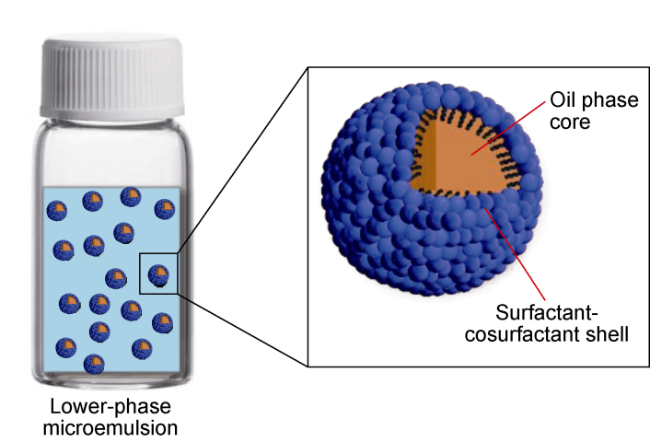
Fig. 1. Schematic diagram of "shell-core structure" in lower-phase microemulsion. |
1.2. Equipment
The static evaluation experimental equipment includes high-speed centrifuge, nano-laser particle size and Zeta potential analyzer, Formulation multiple light scattering meter, TX500HP ultra-high temperature and high pressure spinning drop interfacial tensiometer, YIKE-360A contact angle meter, DM759P Leica optical microscope, FEI transmission electron microscope, MGZ-200 turbidity meter.
The static imbibition oil displacement experimental equipment includes Amott imbibition cell, core vacuum saturation experimental device (including high temperature oven, vacuum pump, intermediate container and constant current metering pump).
The dynamic imbibition huff and puff experimental equipment includes data acquisition system, high temperature oven, vacuum pump, constant current metering pump, confining pressure hand pump and core holder.
1.3. Methods
(1) The stability analysis of medium-phase microemulsion at room temperature. The medium-phase microemulsion was centrifuged for 10 min with a high speed centrifuge at 8000 r/min. Afterwards, the appearance of the medium-phase microemulsion after high speed centrifugation was observed by the direct vision method, and the stability of the medium-phase microemulsion was measured by a multiple light scattering meter.
(2) The droplet size and high-temperature stability analysis of lower phase microemulsion. Lower phase microemulsions with a mass fraction of 0.3% were prepared by diluting six formulations of medium-phase microemulsions with clear water. The morphology of the self-emulsified "shell-core structure" formed in the lower phase microemulsions was observed by transmission electron microscope (TEM), and the droplet size distribution of the "shell-core structure" was quantitatively analyzed by using nano-laser particle size and Zeta potential analyzer [24-25]. The prepared microemulsions were divided into five aliquots and packed into the total phosphorus and total nitrogen screw colorimetric tubes (50 mL), which were placed in an oven at 20, 45, 70, 95 and 120 °C, respectively. After a week, the microemulsions were taken out and poured into ordinary glass bottles to observe the changes in the appearance. At the same time, the turbidity changes of the microemulsions at different temperatures were quantitatively characterized by a turbidity meter to identify their high-temperature stability. The procedure for determining the turbidity of microemulsions is as follows. Firstly, deionized water was filtered 2-3 times with the filter device to prepare the zero turbidity solution. Next, 100 mL standard solution with a turbidity of 10 NTU was prepared by weighing 2.5 mL standard solution with a turbidity of 400 NTU and 97.5 mL zero turbidity water. And then, the turbidity meter was set to zero with the zero turbidity water. The standard solution with a turbidity of 10 NTU was put into the sample cell for calibration, and the calibration ended when the reading was kept at 10 NTU. Finally, the microemulsion to be measured was put into the sample cell, and the displayed reading was its turbidity.
(3) Interfacial tension (IFT) experiment. The lower phase microemulsion with high-temperature stability was selected as the solution to be measured, and the mass fraction was 0.05%, 0.10%, 0.20%, 0.30%, 0.50% and 0.70%. The glass capillary was rinsed with distilled water 2-3 times and then rinsed with the solution to be measured to fill the glass capillary. The 2 μL crude oil sample was absorbed by a 5 μL micro syringe and injected into the middle part of the glass capillary. The glass capillary was then placed in the sample cell of the ultra-high temperature and high pressure interfacial tension meter. The interfacial tension between the microemulsions with different mass fractions and crude oil was measured by increasing the temperature to 106 °C, reaching the pressure to 23 MPa, keeping the rotational speed at 6000 r/min and the test time interval at 1 min.
(4) Wettability experiment. The lower phase microemulsion with high-temperature stability was selected as the solution to be measured, and the mass fraction was 0.05%, 0.10%, 0.20%, 0.30%, 0.50% and 0.70%, respectively. The original contact angle of quartz sheets and the contact angle after aging in silicone oil for 3 d were measured with YIKE-360A contact angle meter. The aged quartz sheets were soaked in microemulsions for 3 d, and the contact angle of the modified quartz sheets was measured. The experiments of silicone oil aging quartz sheets and microemulsion soaking quartz sheets were carried out in a 106 °C thermostat. The deionized water droplet was added to the quartz sheet by using the static drop method, and the gas-water-solid three-phase contact angle was measured according to the three-point method, taking the average value after three measurements.
(5) The static imbibition oil displacement experiment. The core was loaded into an intermediate container, and it was saturated with crude oil using the method of vacuum and pressure saturation, and then the intermediate container was aged in an oven at 106 °C for two weeks. Take out the core sample saturated with crude oil, wipe crude oil from the surface with oil wiping paper, dry it in the thermostat, weigh and calculate the core’s mass difference before and after saturated with crude oil (Δm). The aged core was put into the Amott imbibition cell with clear water as the control group and microemulsion as the experimental group. The static imbibition oil displacement experiment was carried out in an oven at 106°C. By recording the cumulative volume of oil displacement (Vo(t)) in the glass tube (accuracy 0.01 mL) at different imbibition time (t), the imbibition oil recovery at different imbibition time was calculated, as shown in Eq. (1):
(6) Dynamic imbibition huff and puff experiment [26]. First, the core was placed in the core holder. The confining pressure was applied to 10 MPa to the core, and then the core was saturated with clear water after the vacuum. Secondly, the core was saturated with crude oil until crude oil was produced from the outlet to establish the bound water environment, and the confining pressure was continuously adjusted to maintain the simulated formation environmental pressure (23 MPa). Afterwards, the prepared huff-puff fluid and the whole displacement system were placed in a high temperature oven at 106 °C. Close the inlet end of the core holder, and inject the huff-puff fluid into the core holder with a constant current metering pump at the outlet end. Close the outlet end and connect it to the back-pressure valve to maintain a certain pressure so that the huff-puff fluid was in full contact with the crude oil. After 72 h, the outlet end of the core holder was opened and part of crude oil was produced under the self-pressure of the model and the oil recovery was calculated. The huff-puff fluid is clear water, the microemulsion system and the MOA-SS-2306 system, respectively. The MOA-SS-2306 system is a 0.3% nonionic-cationic surfactant solution, in which the mass ratio of MOA-15 to SS-2306 is 1:1. The experimental device is shown in Fig. 2 .
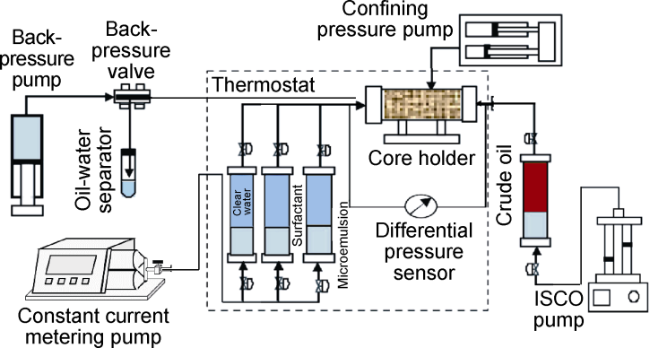
Fig. 2. Schematic diagram of dynamic imbibition huff and puff experimental device. |
(7) Crude oil dispersion and solubilization experiments. Crude oil and the microemulsion to be measured were placed in an oven at 106 °C for 5 h until the temperature was constant. And then, crude oil and the microemulsion were poured into a mixing cylinder with a stopper according to the volume ratio of 3:7. Using the shake-flask method, the mixing cylinder was capped with a stopper and inverted up and down 10 times until evenly mixed. The mixture was dripped with a dropper and observed with the DM759P Leica optical microscope. The effects of the microemulsion system and MOA-SS-2306 system on crude oil were analyzed. After the mixture was separated into oil phase and water phase, the lower water phase was absorbed and centrifuged at a speed of 8000 r/min for 10 min with a high speed centrifuge. After that, the supernatant was taken out and the morphology, as well as the droplet size of the microemulsion was observed by TEM. The droplet size growth coefficient S* shown in Eq. (2) is defined according to the change of droplet size before and after the solubilization of crude oil. S* represents the solubilization ability of microemulsion to crude oil. The larger the S*, the stronger the solubilization ability of microemulsion to crude oil is.
2. Results and discussion
2.1. Stability of the medium-phase microemulsion
The six kinds of medium-phase microemulsions are shown in Fig. 3 a. After centrifugation, the medium-phase microemulsions are all clear and transparent in appearance and not layered when storing statically. The oil phase of Formula 3 and Formula 6 is No. 3 white oil, which appears slightly yellow in appearance after mixing. The stability of the medium-phase microemulsion after centrifugation is quantified by the multiple light scatter meter. The Turbiscan stability index (TSI) is calculated by monitoring the variation of transmitted light intensity with time and the height of the sample cell after the incident light (wavelength of 880 nm) passed through the microemulsion to be measured, which can evaluate the dynamic stability of the microemulsion. The lower the TSI value, the stronger the stability of the microemulsion is [27]. From Fig. 3 b, it can be seen that there is a strong Brownian motion among the medium-phase microemulsion droplets at the early stage of scanning, and the TSI value shows a significant increasing trend. The Brownian motion gradually moderates to a state of dynamic equilibrium over time, as evidenced by the increasing rate of TSI value slowing down to remain constant [28]. Formula 6 has the lowest TSI value and the strongest dynamic stability.

Fig. 3. Appearance (a) and dynamic stability variation curves (b) of medium-phase microemulsions with different formulas. |
2.2. Droplet size and high-temperature stability of lower phase microemulsion
2.2.1. Droplet size
The amphiphilic nature of surfactants makes them distributed in the oil-water interface to reduce the IFT, and with the addition of cosurfactant reduces the interfacial rigidity, thereby reducing the oil-water IFT dramatically. The synergistic effect between surfactants and cosurfactants is beneficial to the self-emulsification process among the components and promotes the formation of nanosized "shell-core structure", resulting in the formation of lower phase microemulsions. The morphology and droplet size distribution of six kinds of lower phase microemulsions are shown in Fig. 4 . The droplet sizes of Formula 1 to Formula 3 are 12, 15, and 13 nm, respectively, and those of Formula 4 to Formula 6 are 6.5, 10.0 and 7.5 nm, respectively. Cationic surfactants exist in Formula 4 to Formula 6, which ionize after dissolving in water. The charged head of the cationic surfactant has a polar attraction to the hydrophilic group of nonionic surfactants, and there is a hydrophobic association between the hydrocarbon chains, which realizes the synergistic effect of the cationic and nonionic surfactants [29]. It promotes the adsorption of surfactants at the oil-water interface and significantly reduces the critical micelle concentration. As a result, more micelles are formed, resulting in the formation of plenty of "shell-core structures" with smaller sizes.

Fig. 4. Morphology and droplet size distribution of lower phase microemulsions. |
2.2.2. High-temperature stability
The clarity of six kinds of lower phase microemulsions at different temperatures was observed by direct vision method, and the turbidity of the microemulsions at different temperatures was measured by a turbidity meter to quantitatively characterize their high-temperature stability. The greater the turbidity, the lower the clarity of the solution. The greater the variation of turbidity, the worse the stability of the solution. Fig. 5 shows the change of clarity of lower phase microemulsions with different formulas after standing at different temperatures for a week, and Fig. 6 shows the variation curve of their turbidity with temperature. When the temperature is lower than 70 °C, the appearances of Formula 1 to Formula 3 are all clear and transparent with low turbidity values. With the increase of temperature, the appearances of Formula 1 to Formula 3 gradually change from a clear state to a turbid state, and the turbidity value increases sharply. There is a turbidity point of nonionic surfactants MOA-9 and MOA-15. At low temperatures, nonionic surfactants dissolve in water by forming hydrogen bonds between ether oxygen atoms and hydroxyl oxygen atoms in surfactant molecules and water molecules, and the solution is transparent and stable [30]. However, as the tem- perature increases, the hydrogen bond breaks and the nonionic surfactant precipitates out of the solution. The solution system changes from homogeneous phase to heterogeneous phase, and the appearance appears turbid. The turbidity of Formula 3 is always higher than that of Formula 2, because the alkane chain of No. 3 white oil is longer than that of n-hexane, which is easier to combine with the lipophilic group of nonionic surfactant MOA-15, further reducing the water solubility of Formula 3 and increasing its turbidity. Formula 4 to formula 6 always maintain a clear and transparent state as temperature increases, which indicates their strong high-temperature stability. The cationic surfactant ionizes in the aqueous solution and forms mixed micelles with nonionic surfactants. Its hydrophobic carbon chains penetrate and insert into nonionic surfactant micelles, increasing the charge density and electrostatic repulsion of the outer layer of the micelles, and as a result, the mixed micelles are not easy to aggregate. In the meantime, both the polar attraction of hydrophilic groups and hydrophobic association of hydrophobic groups between the nonionic surfactant and the cationic surfactant inhibit the precipitation of the nonionic surfactant at high temperatures and raise the turbidity point of mixed surfactants. The addition of the cationic surfactant greatly improves the temperature resistance of the microemulsions.

Fig. 5. Variation of clarity of lower phase microemulsions with temperature. |
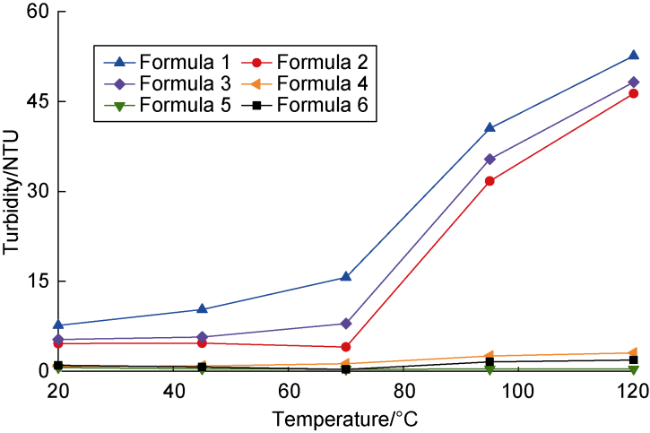
Fig. 6. Variation curve of turbidity of lower phase microemulsion with temperature. |
2.3. Static properties of microemulsions
2.3.1. Wettability alteration experiment
The high-temperature resistant systems of Formula 4 to Formula 6 were preferred to study the static properties of the microemulsions. Wettability is the key to evaluating whether spontaneous imbibition process can occur in cores. It is necessary to carry out wettability alteration experiment of microemulsions at different concentrations to identify the effect of their wettability alteration abilities on the imbibition process. Fig. 7 shows that silicone oil can modify a water-wet quartz sheet to an oil-wet state with a contact angle about 130°. After soaking in microemulsions with different mass fractions, the contact angle of the quartz sheet decreases gradually from 130°, because the wettability on the surface of the quartz sheet is related to the adsorption of surfactants on the solid surface [31]. The surface of the quartz sheet is attached with an oil film, and the surfactant can be adsorbed on the surface of the oil-wet quartz sheet so as to change the wettability from oil-wet to water-wet. Along with the increase of the mass fraction of the microemulsion, more surfactants are adsorbed on the surface of the quartz sheet, the wettability alteration ability is further enhanced, and the contact angle decreases gradually. When the mass fraction reaches 0.3%, the adsorption of surfactants on the surface of quartz sheet reaches saturation and the contact angle is the minimum. If the microemulsion mass fraction continues to increase, the contact angle remains constant. The wettability alteration ability is the strongest when the mass fraction of microemulsion is 0.3%. Different formulas of microemulsions were compared and it is found that Formula 4 has the strongest wettability alteration ability, followed by Formula 5, and Formula 6 is the weakest. It is mainly because the wettability of nonionic surfactant MOA-9 is better than that of MOA-15. Meanwhile, the carbon number of the non-polar group of No. 3 white oil is more than that of n-hexane. As an oil phase, No. 3 white oil can increase the lipophilicity of the microemulsion system and weaken its wettability alteration ability.
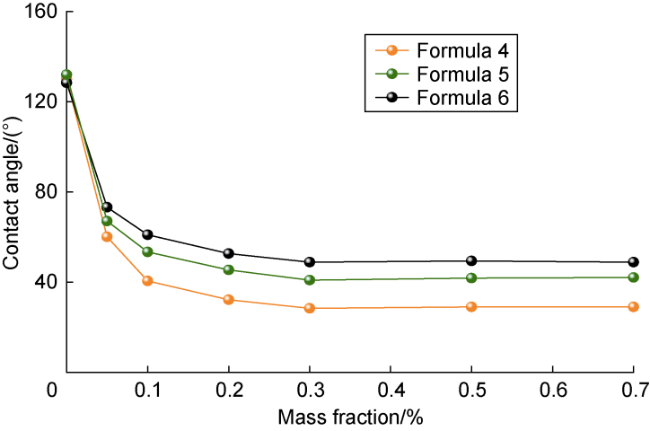
Fig. 7. Variation curve of contact angle of quartz sheet with mass fraction of microemulsion. |
2.3.2. IFT experiment
IFT plays an important role in the imbibition process of the microemulsion. In water-wet reservoirs, IFT provides the driving force in the spontaneous imbibition process, promotes the deformation of crude oil, weakens the Jamin effect, and reduces flowing resistance, thereby enhancing the effect of imbibition to displace crude oil. The IFT between microemulsion and crude oil is related to the concentration [32]. Hence, there is a need to carry out the IFT experiment for different concentrations of microemulsions to clarify the oil-water interfacial properties of the microemulsions.
It can be seen from Fig. 8 that at different mass fractions, the dynamic IFT between the microemulsion and crude oil tends to decrease with time, until the equilibrium IFT is reached, realizing the ultra-low IFT (less than 1×10⁻³ mN/m). As can be seen from Fig. 9 , the equilibrium IFT decreases sharply at first, then increases slightly after reaching the lowest point, and finally remains constant with the rising mass fraction. Overall, the value of equilibrium IFT of Formula 6 is higher at the same mass fraction, and the mass fraction is also higher when it reaches the lowest value. It is possible that the addition of crude oil makes the surfactants re-distribute at the oil-water interface. At low concentrations, the surfactants of Formula 4 and Formula 5 are easily adsorbed at the oil- water interface, and quickly reach the state of saturated adsorption to achieve the ultra-low equilibrium IFT. Nevertheless, white oil is the oil phase of Formula 6. The hydrocarbon chain of white oil is longer than that of n-hexane, which is more attractive to the lipophilic group of the surfactant, and the surfactant is more difficult to desorb. As a result, the adsorption capacity of Formula 6 at the oil-water interface is less at low concentrations, and its ability to reduce the equilibrium IFT is poor.
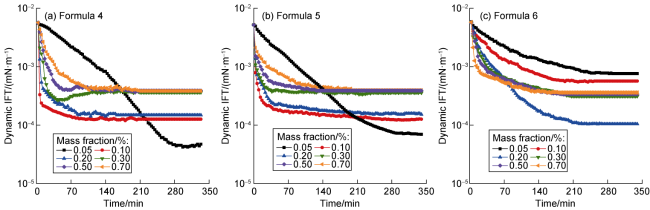
Fig. 8. Variation curves of dynamic IFT of microemulsion-crude oil with time at different mass fractions. |

Fig. 9. Curves of equilibrium IFT versus concentration. |
2.4. Static imbibition displacement experiment
In order to study the application potential of the microemulsion, the lower phase microemulsion with a mass fraction of 0.3% was selected as the imbibition agent considering the equilibrium IFT and wettability alteration ability. The static imbibition displacement experiment was carried out by using the Amott imbibition cell, and the relationship curve between imbibition recovery degree and time was made, as shown in Fig. 10 . With the increase of spontaneous imbibition time, the imbibition oil recovery degree of each system increases rapidly at first, and then rises slowly until it reaches the maximum value. The imbibition oil recovery degree of microemulsions is always higher than that of clear water. It is concluded that the ultra-low IFT and strong wettability alteration ability of the microemulsions enhance the spontaneous imbibition oil recovery remarkably. The spontaneous imbibition oil recovery degree of Formula 6 is the highest (61%), followed by Formula 5 and Formula 4. The capillary pressure is the driving force of spontaneous imbibition, and the IFT determines the strength of the capillary pressure. If the IFT is too low, the capillary pressure is relatively low, and the driving force of displacing crude oil is insufficient in the process of spontaneous imbibition, resulting in a low spontaneous imbibition oil recovery. At the same time, the hydrophilic-lipophilic balance (HLB) value of nonionic surfactant MOA-15 is 15-16, which has an extremely strong solubilization ability of crude oil, and the solubilization effect is stronger than that of MOA-9. Accordingly, the oil recovery degree of Formula 4 is obviously lower than that of Formula 5 and Formula 6 under the combined effect of capillary pressure and solubilization ability. In addition, the smaller the droplet size of the "shell-core structure" is, the easier it is to enter the micro-nanometer pore throats, which increases the sweep volume of spontaneous imbibition and promotes the increase of the spontaneous imbibition oil recovery degree, as illustrated by the maximum imbibition oil recovery degree of Formula 6. For that reason, the Formula 6 system (marked as the O-ME system), which is dominated by nonionic surfactant MOA-15, compounding with cationic surfactant SS-2306, and No. 3 white oil as the core of the oil phase, achieves the best imbibition effect in tight cores because of its ultra-low IFT, strong wettability alteration ability, nanosized "shell-core structure" (7.5 nm) and extremely strong solubilization ability.
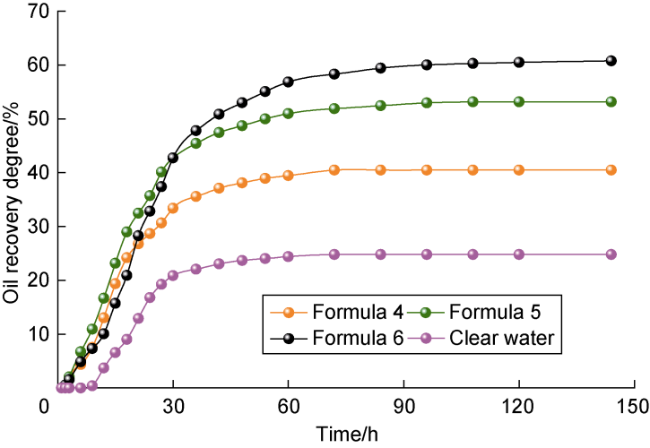
Fig. 10. Curves of static imbibition oil recovery degree. |
2.5. Dynamic imbibition huff and puff experiment
The static imbibition displacement experiment has confirmed the microemulsion system with the best imbibition effect (O-ME system). In order to guide the field application effectively, the dynamic imbibition huff and puff experiment of the O-ME system was carried out under the simulated reservoir temperature and pressure conditions. The experimental results are shown in Fig. 11 . Under the pressure of the model itself, the oil recovery degree increases slowly. When the pressure at the outlet end is zero, the oil discharging from the outlet stops and the huff and puff process ends. The imbibition oil recovery degree of the O-ME system shows the fastest growth, with the oil recovery as high as 55%, which is 17 percentage points higher than that of the MOA-SS-2306 system. Compared with the MOA-SS-2306 system, the O-ME system is unique in its nano-sized "shell-core structure", so that it has a lower IFT value and strong ability to solubilize crude oil, significantly reducing the surfactants losses due to migration and adsorption. It solves the problem of low oil recovery caused by the sharp decrease in surfactant concentrations in conventional surfactant systems. It is worth mentioning that in the produced liquid of the huff and puff experiment, more oil-in-water emulsions are distributed in the MOA-SS-2306 system, while more granular oil droplets are distributed in the O-ME system. Therefore, it is essential to conduct crude oil dispersion and solubilization experiments to clarify the internal mechanisms of oil displacement by spontaneous imbibition of microemulsions.
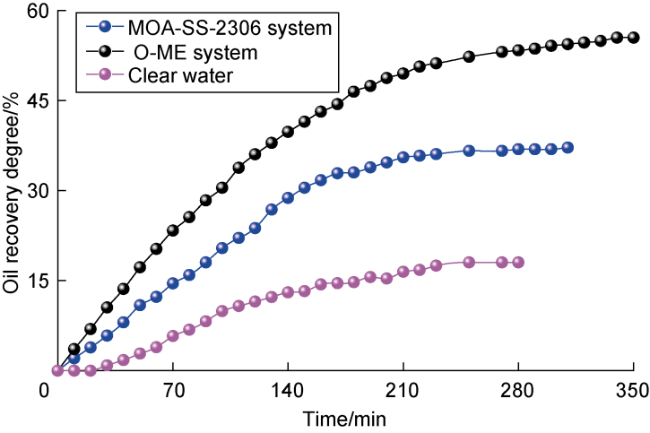
Fig. 11. Curves of dynamic imbibition oil recovery degree. |
2.6. Dispersion and solubilization experiments of crude oil
2.6.1. Crude oil dispersion experiments
The crude oil contact experiments of the O-ME system and MOA-SS-2306 system were carried out by shake-flask method, and the mixture after shaking flask was observed with DM759P Leica optical microscope. Fig. 12 a shows the morphology characteristics of the mixture of MOA-SS-2306 system and crude oil under a 4x microscope, and Fig. 12 b presents the morphology characteristics of the mixture of O-ME system and crude oil under a 4x microscope. It can be clearly observed that the pure surfactant system emulsifies with crude oil, the emulsion droplets are not uniform in size and distribution, and there is a large area of un-emulsified zones in the field of vision, indicating a poor emulsification effect. On the contrary, when the microemulsion system contacts with crude oil, the "small-sized oil" with a small droplet size and a uniform distribution is formed, breaking up the aggregation of crude oil. For comparative analysis, the morphology characteristics of the mixtures were observed under a 10x microscope, as shown in Fig. 12 c and Fig. 12 d. It can be observed that the emulsion droplets of the MOA-SS-2306 system are closely distributed, and easy to collide and agglomerate to form larger-sized emulsion droplets with different sizes, averaging at 45 μm. However, the distribution of "small-sized oil" formed by the microemulsion is dispersed, and the average droplet size is only 2 μm, which is much smaller than the emulsion droplets formed by MOA-SS-2306 system. The "small-sized oil" notably reduces the flowing resistance of crude oil and improves the mobility of crude oil, which is beneficial to the crude oil production [23,33]. It is one of the reasons why dynamic imbibition and huff and puff experiments achieve an excellent effect of imbibition and oil displacement.
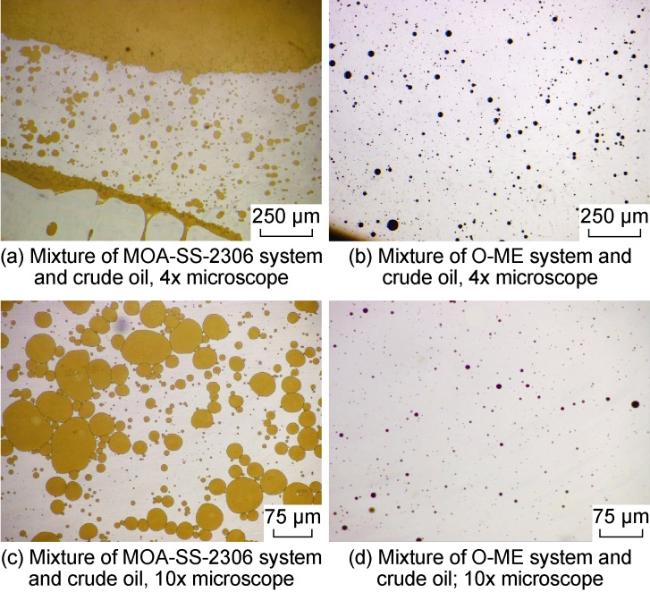
Fig. 12. Microscopic morphology of oil-in-water emulsion and "small-sized oil". |
2.6.2. Crude oil solubilization experiment
In addition to breaking up the aggregation structure of crude oil to form "small-sized oil", the strong solubilization ability of crude oil is also one of the factors for microemulsions to enhance spontaneous imbibition oil recovery. Fig. 13 shows the change in the droplet size of the "shell-core structure" in the O-ME system before and after the solubilization of crude oil under the transmission electron microscope (TEM). The droplet size is 7.5 nm before solubilization, and it grows to 40 nm after solubilization, and the droplet size growth coefficient is as high as 430%. In consequence, the O-ME system has a high capacity to solubilize crude oil and can enhance the oil recovery of spontaneous imbibition.
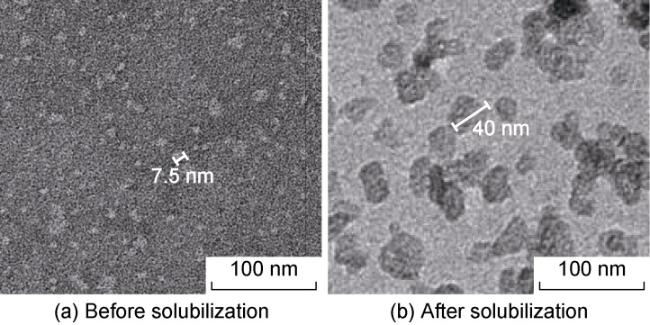
Fig. 13. Change of droplet size before and after solubilization of crude oil in the O-ME system. |
2.7. Imbibition mechanisms
The mechanisms of spontaneous imbibition of O-ME microemulsion system for enhancing oil recovery are proposed based on the optimization experiment of high temperature resistant microemulsion system, static performance evaluation experiment, and dynamic imbibition huff and puff experiment.
(1) The wettability alteration ability provides the prerequisite for spontaneous imbibition, and the ultra-low IFT significantly reduces the adhesion work of crude oil, thus enhancing the oil displacement efficiency. As the core surface is lipophilic, crude oil needs to overcome the migration resistance caused by its adsorption on the rock surface in the process of migration. This resistance can be characterized by the adhesion work. Therefore, reducing the adhesion work between crude oil and the core surface can improve the effect of oil displacement by imbibition[34]. The relationship between adhesion work, IFT, and wetting angle is shown in Eq. (3). On the basis of the wettability alteration experiment and IFT experiment, the O-ME system has good wettability alteration ability, which can reverse the rock surface wettability to a water-wet state and change the oil-wet contact angle from acute to obtuse. Moreover, the formation of ultra-low IFT between the microemulsion and crude oil reduces the adhesion work of crude oil to the order of magnitude of 1×10⁻⁵-1×10⁻⁴ J/m2. Low adhesion work is conducive to stripping off crude oil from the rock surface, which promotes the deformation and migration of crude oil and improves the oil displacement efficiency (Fig. 14 ).

Fig. 14. Schematic diagram of reducing adhesion work between crude oil and rock surface by the microemulsion. |
(2) The nanosized (7.5 nm) "shell-core structure" is extremely easy to enter the micro- and nanoscale pore throats and improves the sweep efficiency. The O-ME system is an oil-in-water microemulsion composed of a "shell-core structure" with a droplet size of 7.5 nm according to the droplet size analysis experiment. The spontaneous imbibition oil recovery of the O-ME system is the highest based on the static imbibition displacement experiment. As a consequence, the smaller the "shell-core structure" is, the easier it is to enter the micro-and nanoscale pore throats (Fig. 15 ) and has an excellent capacity for permeation, diffusion and migration. The formation of the "shell-core structure" enlarges the sweep volume of imbibition and enhances the imbibition oil recovery [29].
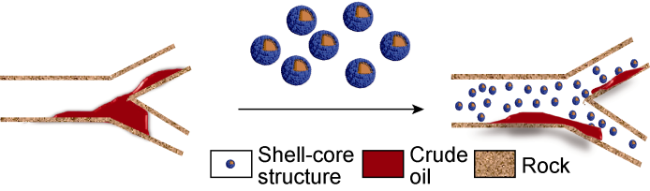
Fig. 15. Schematic diagram of "shell-core structure" in microemulsions entering micro- and nanoscale pore throats. |
(3) The "small-sized oil" is formed by breaking up and dispersing crude oil, which further solubilizes crude oil to improve flowing capacity and oil displacement efficiency of crude oil in micro-nano pore throats. Based on the dynamic imbibition huff and puff experiment and the experiment of dispersing and solubilizing crude oil, the O-ME system breaks up the structure of crude oil, forms "small-sized oil" and has a strong ability to solubilize crude oil (Fig. 16 ). The water phase shell is broken as the O-ME system contacts with crude oil, and there is a strong molecular attraction between the oil core and crude oil in the system, which destroys the oil-in-water state of the microemulsion and recombines crude oil with the oil core. The "like dissolves like" between the two oil phases are able to weaken and even eliminate the molecular association effect between the components of crude oil, breaking up the crude oil structure into "small-sized oil" [23]. The droplet size of "small-sized oil" in the O-ME system (2 μm) is 1/20 of that of the oil-in-water emulsion formed by the MOA-SS-2306 system. It is not prone to aggregation and recombination in the process of migration, which greatly weakens the Jamin effect, reduces the flow resistance in the displacement process, and significantly improves the migration velocity and flowing capacity of crude oil. The surfactants and cosurfactants are redistributed and adsorbed on the surface of the mixed oil phase to solubilize the mixed oil phase. As a result, more crude oil is imbibed and displaced and the oil displacement efficiency is improved. The static imbibition displacement experiment also confirms that the stronger the crude oil solubilization ability of microemulsion, the higher the imbibition oil recovery.
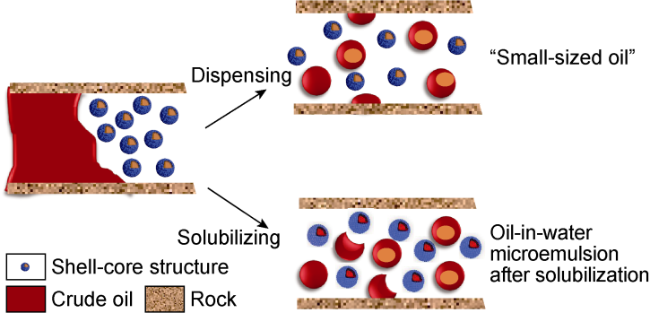
Fig. 16. Dispersion and solubilization of crude oil in the O-ME system. |
3. Field application
Well YBD43-X506 in the Shengli Oilfield was put into production in August 2017, and the reservoir bed is the Sha-4 member of the Shahejie Formation of the Paleocene System. The reservoir data obtained from the monitoring on August 14, 2017, are as follows: the buried depth of 2254.4 m to 2297.0 m, the porosity of 7.41% to 11.25%, the average permeability of 6.5×10⁻³ μm2, the reservoir temperature of 106 °C, the crude oil density of 0.920 4 g/cm3, and the crude oil viscosity of 70.231 mPa·s. Well YBD43-X506 is located in a closed fault block, with good reservoir sealing. The reservoir is partially oil-wet and has poor connectivity with nearby water injection wells. It is featured by low formation energy, poor physical properties and large controlled reserves of the single well. Ineffective water injection results in low cumulative production and only 1.3% of oil recovery degree. Considering the last round of water injection, formation thickness and connectivity, the micro-fracture huff and puff operation was applied for stimulation. The pulsed intermittent pumping method was adopted, with daily injection for 12 h and night stop for 12 h. The injection procedure is shown in Table 2 . After injection, the well was shut in for 60 d and then blown out and pumped for production.
Table 2. Procedure of microfracture huff and puff for Well YBD43-X506 in the Shengli Oilfield |
| No. | Slug | Composition | Total volume/m3 | Injection rate/ (m3·min-1) |
|---|---|---|---|---|
| 1 | Test injection slug | 0.3% O-ME system | 300 | 0.3-1.2 |
| 2 | Main slug | 0.3% O-ME system | 6000 | 0.8-1.2 |
| 3 | Replacement slug | clear water | 1500 | 1.2 |
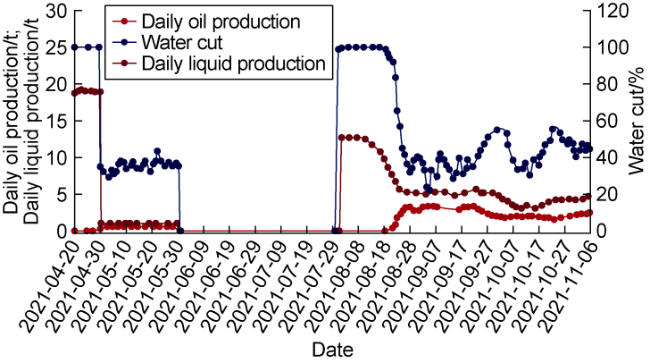


Fig. 17. Production data curve of Well YBD43-X506 in the Shengli Oilfield. |
4. Conclusions
O-ME system is a lower phase microemulsion system with No. 3 white oil as the oil phase core and the cationic surfactant SS-2306 compound with the nonionic surfactant MOA-15 as the hydrophilic shell. It has a nanosized (7.5 nm) "shell-core structure", high-temperature stability, ultra-low IFT, strong wettability alteration ability, and excellent ability to disperse and solubilize crude oil, resulting in its remarkable spontaneous imbibition effect.
The spontaneous imbibition mechanisms of the O-ME system mainly include: (1) Ultra-low IFT and strong wettability alteration ability help to reduce the adhesion work of crude oil, promote the deformation and stripping of crude oil, and improve the oil displacement efficiency by imbibition; (2) The "shell-core structure" formed by self-emulsification has an extremely small droplet size and is easy to enter micro- and nanoscale pore throats to expand the sweep area of imbibition; (3) The strong ability to disperse and solubilize crude oil breaks up the aggregation structure of crude oil into "small-sized oil" and solubilizes crude oil. It improves the oil flowing capacity and the oil displacement efficiency.
The microfracture huff and puff field test of a 0.3% O-ME system was conducted in Well YBD43-X506 in the Shengli Oilfield. The well has continued to be effective after it was opened for production, with the daily liquid production increasing from 1.4 t to 5.0 t and the daily oil production increasing from 1.0 t to 2.7 t, with an obvious economic benefit.
Nomenclature
d1—original droplet size of the microemulsion, nm;
d2—droplet size of microemulsion after solubilization of crude oil, nm;
ro(t)—imbibition oil recovery degree at t time, %;
S*—growth coefficient of droplet size, %;
t—imbibition time, h;
Vo(t)—cumulative oil displacement volume of imbibition at t time, mL;
W—adhesion work, J/m2;
Δm—difference of core mass before and after saturated with crude oil, g;
θ, θ1, θ2—oil-wet contact angle, (°);
ρ—density of crude oil, g/mL;
σ—interfacial tension, N/m.